Interstate Bar-B-Que has been operating out of the same South Memphis building on South Third Street since 1978, which means Jim Neely opened his place the same year the Memphis in May festival held its first competition on the riverfront. That parallel is not accidental. The two things grew up together, and Interstate’s reputation followed.
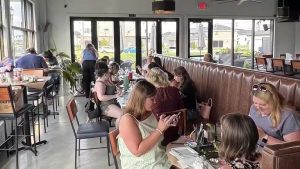
Jim Neely is gone now, but his son John runs the kitchen with the same unhurried conviction. The building itself is not trying to be charming. It sits on a commercial strip in a working neighborhood, the dining room divided into sections that fill up fast on weekends, the walls decorated with the kind of framed press and memorabilia that accumulates when a place has been around long enough to have history handed to it. The smoke smell hits the parking lot before the door does.
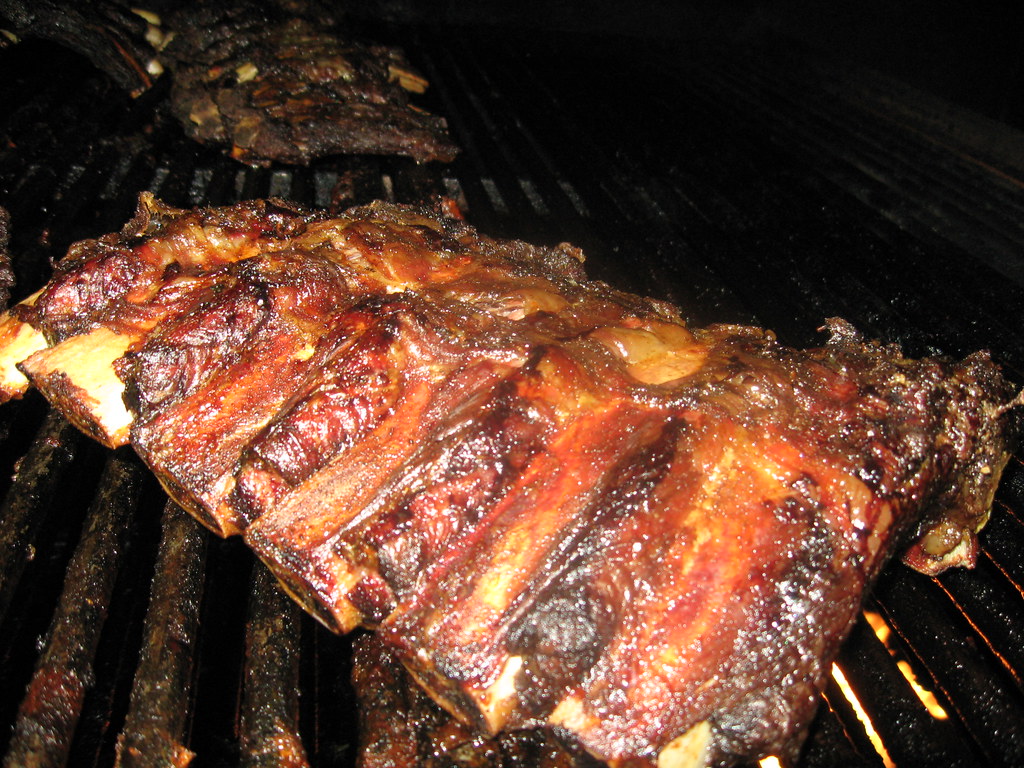
What makes Interstate worth driving across town is not any single signature but the full range. The ribs are the obvious headline — dry-rubbed, pulled from the pit with that particular mahogany color that only comes from actual wood and actual time — but the sliced pork shoulder is what regulars tend to reach for. It is softer, more complex, and benefits from the house sauce in a way the ribs don’t necessarily need. The spaghetti, topped with chopped pork and a tomato-based sauce that leans savory rather than sweet, has become a Memphis institution in its own right, the kind of regional oddity that sounds wrong until it doesn’t.
John Neely is the kind of operator who doesn’t court attention. He shows up early, checks the pits, and runs a dining room that functions at a consistent pace because decades of repetition have worn smooth the parts that might otherwise be rough. Staff here tends to have been here for years. That stability is visible in the way orders move and in the way regulars are greeted, often by name, before they’ve said anything.
The sides hold their own. The beans are cooked down with enough pork in them to qualify as a main event, and the coleslaw is the creamy, cool counterpoint the smoked meat demands. Cornbread arrives in a cast iron mold. Nothing on the plate feels like an afterthought.
Lunch is the peak window on weekdays — the dining room fills up between noon and one with a crowd that skews toward people who work nearby and have been eating here for thirty years. Weekend dinner pushes later, and the wait can stretch, though it moves. Prices stay reasonable for the quality and quantity: a full slab runs around twenty-five dollars, plates with two sides land in the twelve-to-sixteen range depending on the protein.
South Memphis doesn’t get the food press that Midtown or Downtown do, and Interstate doesn’t seem particularly bothered by that. The place has outlasted trends, outlasted competitors, and outlasted a few neighborhoods’ worth of change on South Third. What John Neely is maintaining isn’t just a family business — it’s one of the more honest arguments Memphis has for why its barbecue tradition means something specific and not easily replicated anywhere else.