U.S. Representative Nancy Mace (R‑SC) announced legislation on November 20 that would prohibit the use of Supplemental Nutrition Assistance Program (SNAP) benefits for online grocery delivery orders. The bill, titled the No Online Delivery Allowed for SNAP Households (NO DASH) Act, seeks to ensure that taxpayer‑funded assistance is used for essential food purchases rather than the convenience of delivery.
Key provisions of the NO DASH Act
The proposed law would amend the Food and Nutrition Act of 2008, directing the agriculture secretary to block retailers from approving SNAP payments for the grocery portion of a delivery order. Delivery, shipping, and service fees could still be paid with a separate, non‑SNAP payment method, which is already the case under current federal and Texas rules.
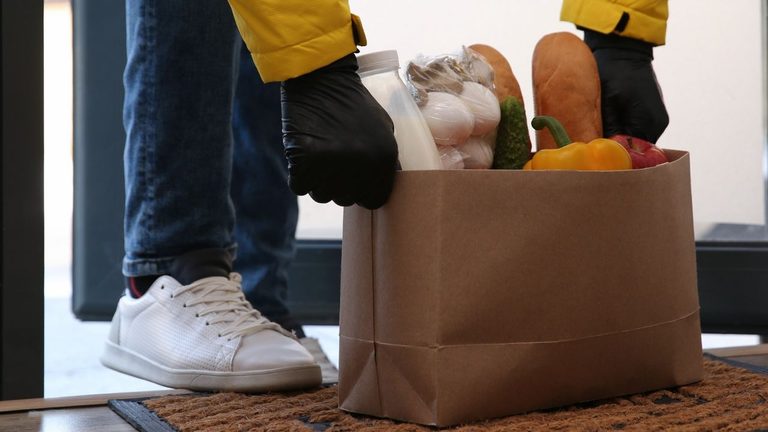
Under the bill, a member of the recipient’s household or a designated caregiver would be required to pick up the groceries at a store or other approved location. Mace emphasized that the measure targets “SNAP abuse” and aims to protect the American taxpayer’s money.
Context and existing rules
Presently, SNAP participants may shop online from approved retailers and choose either pickup or delivery. While the food items can be paid for with SNAP benefits, any delivery‑related fees must be covered with another payment method. The NO DASH Act would close the loophole that allows SNAP dollars to cover the grocery portion of a delivery order, even when the delivery fee is paid separately.
Texas already restricts SNAP purchases of candy and sweetened drinks, applying both online and in‑store. The state also requires that delivery fees be paid out‑of‑pocket. Mace’s proposal expands the focus from specific product categories to the entire delivery transaction.
Legislative status
The bill, designated H.R. 11105, was introduced on November 19 and referred to the House Committee on Agriculture the same day. As of November 20, it has no cosponsors and the full text has not been released, leaving the exact scope of any caregiver‑pickup provision unclear.
The measure remains at the introductory stage; it must pass both chambers of Congress and receive the President’s signature to become law. Until then, existing SNAP online ordering and delivery rules stay in effect.
Related SNAP policy developments
Separately, the U.S. Department of Agriculture is pursuing stricter SNAP eligibility rules. A proposed rule published on November 10 would narrow eligibility based on Temporary Assistance for Needy Families (TANF) benefits, potentially removing roughly 6.3 million people in 3.2 million households from the program in fiscal year 2029. Comments on the rule are due December 10.
Both initiatives reflect a broader effort by the Trump administration and congressional Republicans to tighten federal assistance programs and ensure that taxpayer dollars are used responsibly.
Local impact
For Texas families who rely on SNAP, the NO DASH Act could change how they obtain groceries if they are unable to shop in person. While the bill proposes caregiver pickup as an alternative, the lack of detailed language means the practical implications remain uncertain. Stakeholders in Dallas, Houston, and other Texas communities will be watching the legislation closely, as it could affect local retailers that currently accept SNAP for online orders.
Advocates for SNAP recipients argue that delivery options provide essential access for seniors, disabled individuals, and families without reliable transportation. Critics of the bill contend that the measure may place an undue burden on those who genuinely need delivery services.
Next steps
Congressional committees will review the proposal, and interested parties are expected to submit comments during the rule‑making process for the related USDA eligibility changes. The outcome of the NO DASH Act will depend on bipartisan support in the House and Senate, as well as the administration’s stance on SNAP reform.
Original reporting: WBAP News/Talk (Dallas-Fort Worth) — read the source article.