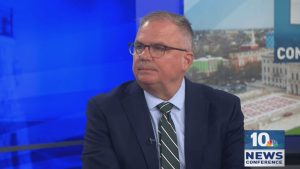
State Senator Tom Davis sent a direct letter to the South Carolina Department of Public Health (SCDPH) this week, accusing the agency of breaking state law after the federal government re‑classified medical marijuana in April 2026. Davis argues that the department’s inaction violates two specific statutes that require swift compliance.
Statutory requirements
According to S.C. Code of Laws § 44‑53‑160(C), the health department “shall” adjust state statutes to match any new federal classification within thirty days, unless the General Assembly explicitly directs otherwise. Davis notes that the deadline to act on the federal change expired on May 28, 2026, and the department has issued no order to reschedule marijuana or its extracts.
In addition, Davis cites § 44‑53‑610 et seq., which obligates the department’s acting director, Brannon Traxler, to appoint an advisory board to help certified cancer and glaucoma patients obtain medical cannabis “through whatever means (she) deems most appropriate consistent with federal law.” The advisory board has not been formed, leaving qualified patients without a clear path to treatment.
Senator’s demands
Davis is pressing the department to immediately issue an order that mirrors the federal rescheduling and to transmit that order as required by law. He also wants the advisory board created without delay to certify qualified patients and to facilitate lawful acquisition of medical cannabis.
In his letter, Davis copied Attorney General (and governor‑elect) Alan Wilson, seeking a formal opinion from the attorney general’s office on the department’s statutory compliance. He emphasizes that the department’s role is ministerial, and any decision to diverge from the federal schedule belongs solely to the General Assembly.
Department’s response
SCDPH acknowledged receipt of the letter, with Acting Director Traxler stating, “We will respond within thirty days per your request.” The department has not confirmed whether it accepts Davis’s interpretation of the statutes or will comply with his requests.
Implications for patients and policy
If the department fails to act, South Carolina patients with qualifying conditions could remain without legal access to medical cannabis, despite the federal schedule change. The dispute also highlights the tension between state authority and federal drug policy, a recurring theme in the Palmetto State’s ongoing debate over medical marijuana legislation.
Stakeholders, including patient advocacy groups and medical professionals, are watching the outcome closely. A prompt resolution could set a precedent for how state agencies respond to future federal reclassifications of controlled substances.
Next steps
The health department has thirty days to issue a formal response. Depending on that reply, Senator Davis may pursue further legislative or legal action to ensure compliance with state law and to protect the rights of South Carolina’s medical‑marijuana patients.
Original reporting: FITSNews — read the source article.