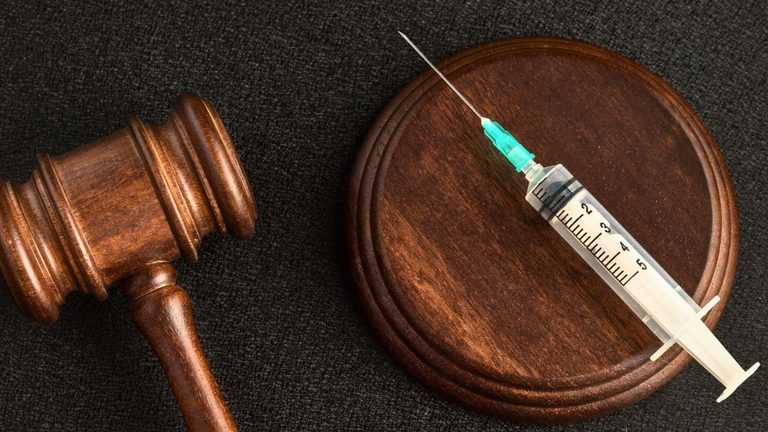
On November 19, the Texas Department of Criminal Justice carried out the execution of 70‑year‑old convicted murderer Reinaldo Dennes at the Huntsville Unit. The procedure, which lasted 63 minutes, has sparked renewed conversation among lawmakers, legal experts, and the public about whether lethal injection remains the most reliable method.
What happened during the execution
Officials struggled to place intravenous lines, first attempting Dennes’ left foot and later his left neck. After several attempts, the lines were finally secured, and the lethal drugs were administered. According to Texas prison spokesperson Amanda Hernandez, the team followed all state‑mandated procedures.
Witnesses, including Associated Press correspondent Michael Graczyk, reported that Dennes cried out in pain shortly after the injection began and continued to moan for nearly three minutes, complaining that his right leg hurt. The source could not determine whether the distress was caused by the drugs, the IV placement, or another medical factor.
Legal background and recent challenges
The U.S. Supreme Court denied Dennes’ request for a stay on the day of the execution, allowing the state to proceed. While the Court did not address the method itself, the case adds to a growing list of challenges to lethal injection protocols across the nation.
Earlier this year, Tennessee experienced a high‑profile botched execution when Christa Gail Pike survived two doses of pentobarbital. Governor Bill Lee responded by suspending the state’s remaining 2026 executions and calling for an independent review. Pike’s case, like Dennes’, underscores the difficulty of guaranteeing a painless death with the current drug regimen.
Historical context of execution methods
Since adopting lethal injection in 1977, Texas has performed the majority of its executions using this method. A study by Amherst College professor Austin Sarat examined 8,776 U.S. executions from 1890 through 2010, identifying 276 (3.15%) as botched. Lethal injections accounted for 75 of 1,054 cases (7.2%). By contrast, no firing squad executions were classified as botched in the study, though other reports have noted occasional miss‑fires.
Legal precedent allows states to consider alternative methods if they can demonstrate a substantially reduced risk of severe pain. In Bucklew v. Precythe (2019), the Supreme Court held that a challenger must show a substantial risk of severe pain and present a feasible, readily implementable alternative. The Court has not ruled that a 63‑minute execution automatically violates the Eighth Amendment.
What Texas lawmakers may consider
Article 43.14 of the Texas Code of Criminal Procedure requires intravenous injection of lethal substances, and prison administrators cannot unilaterally replace it with hanging or a firing squad. Any change would require legislative action, subject to constitutional limits.
Lawmakers and criminal‑justice officials are now weighing whether to amend the statute to allow alternative methods, improve IV training, or adopt new drug protocols that could reduce the risk of prolonged suffering. The debate reflects a broader national conversation about ensuring that capital punishment, where it remains legal, is carried out in a manner consistent with the Constitution’s prohibition on cruel and unusual punishment.
Community response
Families of victims, faith‑based groups, and pro‑life advocates have voiced differing opinions. Some argue that the death penalty, when administered correctly, serves justice and deters violent crime. Others contend that any risk of pain undermines the moral authority of the state and call for either reform or abolition.
As Texas continues to lead the nation in executions, the Dennes case may serve as a catalyst for legislative review and potential policy adjustments aimed at preserving both public safety and constitutional integrity.
Original reporting: The Dallas Express — read the source article.