At its November 19 meeting in Tucson, the Arizona Board of Regents heard that the University of Arizona’s enrollment dropped to 49,976 full‑time‑equivalent students – a 7.6% decline from last fall and the lowest level since 2022. The shortfall translates into an expected $66.8 million (7%) reduction in net tuition and fees compared with the budget approved in June.
Strategic spending adjustments
In response, university leaders announced a $49.5 million reduction in projected spending. The plan includes $14.9 million less in salaries and wages and $3.3 million less in employee‑related costs such as benefits. These “strategic personnel cost reductions” are intended to align expenses with the revised revenue outlook while avoiding drastic cuts to academic programs. The report does not specify how many positions will be affected, but it emphasizes that the university is seeking efficiency rather than large‑scale layoffs.
Additionally, the university will reduce scholarship spending by $5.2 million. While this will tighten financial aid resources, the administration stresses that merit‑based awards will remain a priority for high‑performing students.
Cash reserves remain below target
Even with the spending cuts, the university’s cash cushion is projected at 83.8 days by the end of the fiscal year, up from 79.5 days last year but still short of the board’s target range of 134 to 224 days. The Board of Regents continues to monitor cash‑on‑hand metrics closely to ensure the institution can meet its obligations.
New master plan emphasizes renovation over new construction
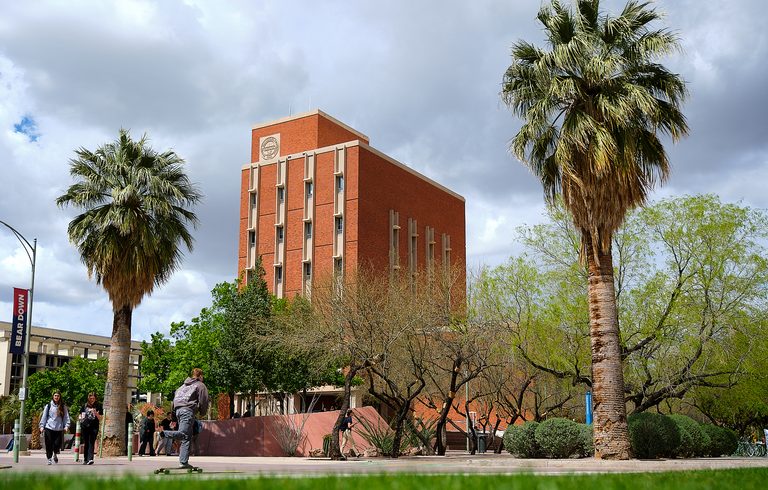
Despite the budget pressure, regents approved the university’s first campus master plan since 2009, titled “Building on Our Promise.” The 400‑acre plan for the Tucson campus focuses on renovating existing facilities, adding research space, and modernizing classrooms rather than pursuing costly new construction. A recent space study identified excess office space and a need for more research labs, guiding the plan’s priorities.
Good Samaritan policy proposal
Regents also considered Policy 5‑403, a Good Samaritan protocol that would protect students who seek emergency help for hazing, alcohol poisoning, or drug overdoses. The policy would shield both the student requesting assistance and the responder from disciplinary action, while still allowing police or prosecutors to act under state law when necessary. A student senator noted that fear of consequences may deter peers from calling 911, citing 124 alcohol‑related calls in 2025 as the second‑largest category for the campus emergency medical service.
Looking ahead
The Board plans to vote on the Good Samaritan policy at its next meeting on February 18‑19, which will be held at Arizona State University. University officials remain confident that the combined approach of prudent spending, strategic campus planning, and student‑focused safety measures will keep the institution on a stable financial footing while continuing to serve Arizona’s families and future workforce.
Original reporting: Arizona Luminaria — read the source article.