Amarillo health officials are warning residents after six confirmed cases of cryptosporidiosis were identified in the Texas Panhandle. The parasite, often called “Crypto,” spreads through contaminated food, water, or contact with infected people or animals. Symptoms include watery diarrhea, stomach cramps, fever, dehydration, nausea, and vomiting, typically appearing 2‑10 days after exposure and lasting one to two weeks.
Raw Milk Identified as Source
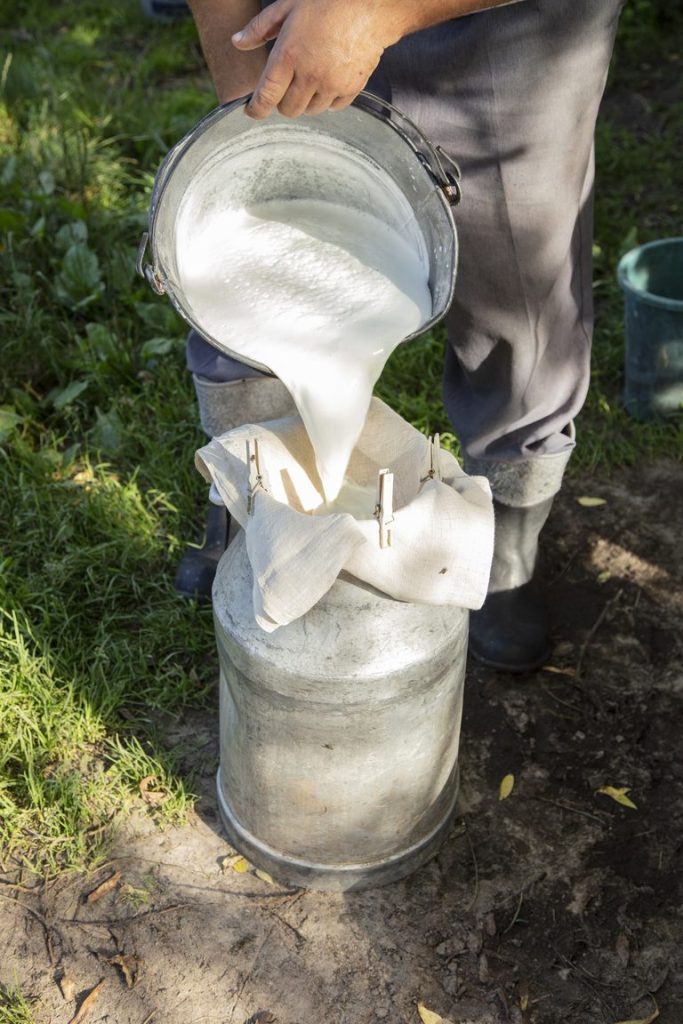
Three of the patients reported consuming raw milk sold by Wethington Dairy. The dairy has been distributing unpasteurized milk from a parking lot near I‑27 and Coulter Street. Pasteurized milk sold in grocery stores is safe, but raw milk can harbor parasites like Cryptosporidium.
Public Health Recommendations
The Amarillo Area Public Health District (AAPHD) is advising anyone who has recently consumed raw milk—whether from Wethington Dairy or any other source—to monitor for the listed symptoms. If symptoms develop, individuals should seek medical attention promptly and practice strict hand‑washing to prevent further spread.
AAPHD also recommends that residents avoid raw milk altogether until the investigation is complete. The district is working with local authorities to determine whether additional testing or a temporary suspension of raw‑milk sales is necessary.
What Is Cryptosporidiosis?
Cryptosporidiosis is caused by the microscopic parasite Cryptosporidium. It is a common cause of water‑borne illness worldwide and can be especially dangerous for young children, the elderly, and those with weakened immune systems. While most healthy adults recover without complications, dehydration can become serious if fluids are not replaced.
How to Protect Yourself and Your Family
- Drink only pasteurized milk and dairy products.
- Wash hands thoroughly with soap and water after handling raw food, animals, or contaminated surfaces.
- Avoid swallowing water while swimming in lakes, pools, or rivers that may be untreated.
- If you experience diarrhea lasting more than a few days, contact a healthcare provider.
Community Response
Local residents have expressed concern over the raw‑milk distribution, and several community groups are calling for stricter oversight of raw‑milk sales. While raw milk advocates argue for personal choice, public‑health officials stress that the safety of families—especially children—must come first.
The AAPHD will continue to monitor the situation and provide updates as more information becomes available. For the latest guidance, residents can visit the district’s website or call the health hotline at (806) 555‑0123.
Original reporting: News/Talk 790 KFYO (Lubbock) — read the source article.