Madison resident Kimberly McFadden is taking her fight for classroom safety to the national stage. After seeing her son Tyler, who is autistic, suffer severe meltdowns and alleged abuse in a South Carolina school, McFadden helped champion Alabama’s Tyler’s Law, passed in 2023, and now wants Congress to make the measure a federal standard.
What Tyler’s Law Requires
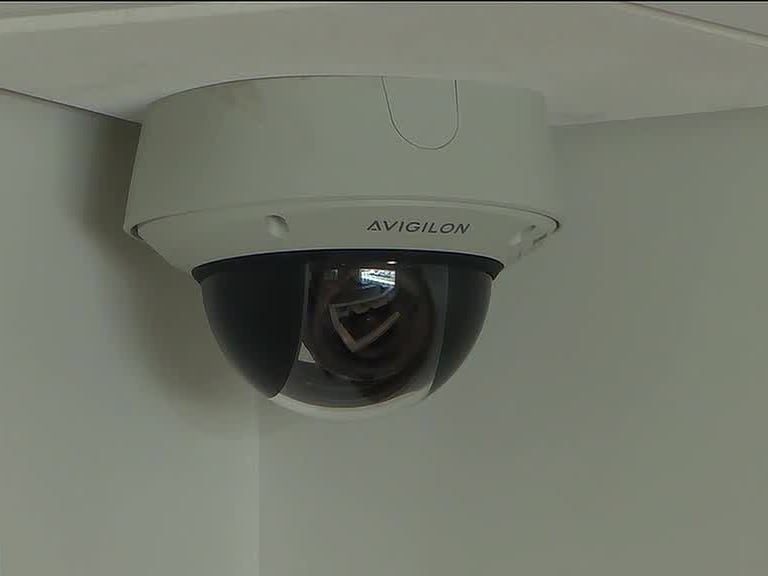
The law mandates that school districts install video cameras in special‑education classrooms whenever funding is available or donated. The intent is to provide transparency, protect vulnerable students, and give parents a clear record of what occurs during instruction.
Local Implementation and Challenges
Since the law’s passage, Madison City Schools and Huntsville City Schools have secured funding for cameras, while many other districts across Alabama have yet to do so. In Hoover, a father offered to cover the cost of a camera for his son’s classroom, a provision the law expressly allows. The Hoover school system, however, returned his donation and asked for clarification on the statute, prompting criticism from state Sen. Arthur Orr, the bill’s sponsor.
“To have a relatively wealthy school system like the Hoover school system stiff‑arm the law and just refuse to comply when you have a donor who will write a check and make it happen, that’s a problem,” Orr said.
McFadden’s Personal Story
McFadden recounts the trauma her family endured before moving to Alabama. “He could not be in the car when we took his siblings to school because he was having severe meltdowns, ripping his clothes off, trying to avoid going into that school,” she said. “We learned he had hard books thrown at him and was screamed at. We saw bruises on his arms.” The family’s experience convinced McFadden that the lack of oversight was not an isolated incident.
National Advocacy
Determined to protect children everywhere, McFadden has launched a petition on Change.org urging Congress to adopt Tyler’s Law nationwide. She argues that the law’s clear language—requiring cameras when funds exist—should apply across all states to safeguard children with special needs.
“I knew at that point that this was not an isolated case in South Carolina. This was happening abroad and everywhere. And it needed to be addressed,” McFadden said.
Why the Law Matters for Families
For parents of children with special needs, classroom cameras can provide peace of mind and a factual record should disputes arise. The law also supports teachers by documenting interactions, potentially reducing false accusations and fostering a safer learning environment.
Next Steps
McFadden’s petition has already gathered support from families and advocacy groups in several states. While the Trump administration has not yet taken a formal position on the specific measure, its broader emphasis on parental rights and school choice aligns with the goals of Tyler’s Law.
State legislators are watching the national conversation closely, and several bills modeled after Tyler’s Law have been introduced in other state houses. If Congress were to endorse the measure, it could create a federal framework that encourages states to allocate or accept private donations for camera installations, ensuring consistent protection for children with special needs across the country.
Community Response
Local parents and educators in Madison and Huntsville have expressed strong support for the law’s expansion. “We want every child to feel safe and every parent to have confidence that their child is being treated fairly,” said a Madison City Schools spokesperson.
As the petition gains momentum, McFadden remains hopeful that federal lawmakers will recognize the importance of transparency in special‑education settings and act to protect vulnerable students nationwide.
Original reporting: WAFF 48 Huntsville (news) — read the source article.