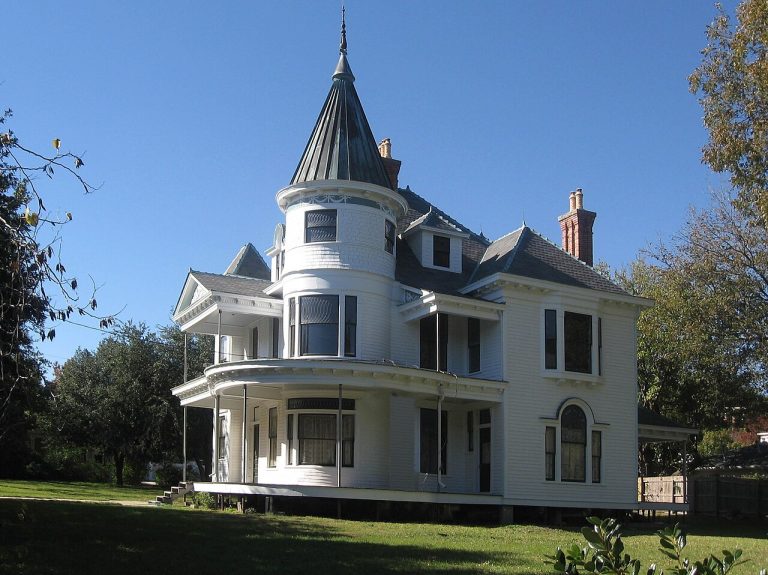
The City of Milwaukee Health Department (MHD) is close to finishing a $23.7 million lead‑hazard reduction initiative that targets more than 300 older homes across the city. Funded by the American Rescue Plan Act (ARPA), the program aims to safeguard children from the dangers of lead exposure by replacing high‑risk surfaces and improving testing capabilities.
Neighborhood focus and work completed
Projects have concentrated on neighborhoods with a history of elevated childhood lead poisoning rates, including Sherman Park, Metcalfe Park, Harambee, and Clarke Square. In these areas, MHD crews have replaced worn windows, doors, and other painted surfaces that can generate lead‑laden dust. The department also upgraded laboratory equipment and expanded its outreach staff, allowing faster identification of hazards and more thorough follow‑up with families.
Funding and next steps
While the ARPA‑funded phase wraps up by the end of 2026, MHD secured an additional $7.7 million grant from the U.S. Department of Housing and Urban Development (HUD). Partnering with Milwaukee Habitat for Humanity, the health department plans to address lead hazards in another 300 housing units by early 2030. This continued investment underscores the city’s commitment to protecting its youngest residents and strengthening community health infrastructure.
Why the effort matters
Lead exposure remains one of the most preventable causes of developmental delays and health problems in children. By targeting older housing stock—where lead‑based paint is most likely to be present—Milwaukee is taking a proactive stance that aligns with both public‑health best practices and the city’s broader goal of creating safe, family‑friendly neighborhoods.
Community resources
Residents can learn more about lead‑poisoning prevention, testing options, and available assistance through the MHD website. The department encourages families to take advantage of free testing and to report any concerns about lead hazards in their homes.
Looking ahead
The combined ARPA and HUD investments represent a significant financial commitment to a long‑term public‑health challenge. As the projects near completion, Milwaukee officials remain optimistic that the reduced lead exposure will translate into healthier outcomes for the city’s children and stronger, more resilient neighborhoods for years to come.
Original reporting: FOX6 WITI – local news — read the source article.