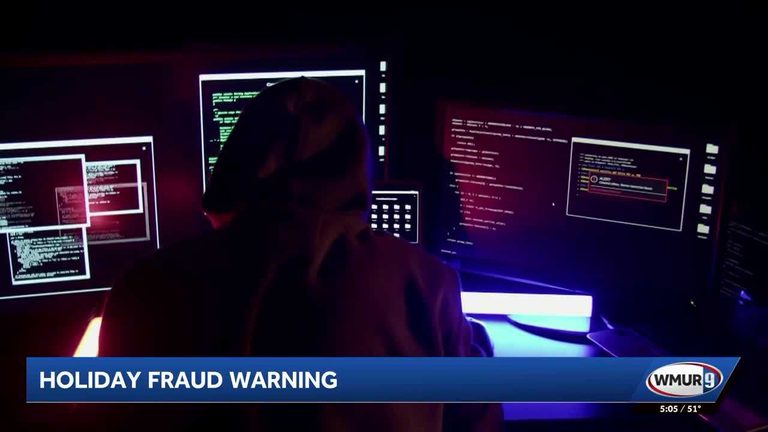
As the holiday season approaches, the Federal Bureau of Investigation’s Boston field office is sounding the alarm on a surge in fraud schemes targeting shoppers, gift‑card buyers and charitable donors. Assistant Special Agent in Charge Mario Fratantonio emphasized that scammers are exploiting the festive rush to prey on both older adults and younger consumers.
Recent losses highlight the threat
According to FBI data, hundreds of victims across the nation suffered millions of dollars in losses last year. In New Hampshire alone, nearly 230 individuals were defrauded of more than $2.5 million.
Common holiday scams and red flags
Agents identified three primary categories of scams that spike during the holidays:
- Online shopping fraud – fake websites mimic legitimate retailers, often featuring spelling errors or deals that seem too good to be true.
- Gift‑card scams – fraudsters request payment via gift cards and create a false sense of urgency to pressure victims into acting quickly.
- Charitable‑giving scams – bogus appeals exploit goodwill, especially after natural disasters or during holiday drives.
Fratantonio warned that scammers use anxiety‑inducing language and urgent deadlines to push victims into hasty decisions that are “uncharacteristic to your habits.”
Protective steps for families
The FBI recommends a few straightforward actions:
- Verify website URLs and look for secure https connections before entering personal information.
- Be skeptical of unsolicited emails or texts that contain spelling mistakes or pressure you to act immediately.
- Contact the purported business directly using a known phone number or website if you have any doubt.
- Monitor bank and credit‑card statements regularly and enroll in your institution’s fraud‑alert services.
If you suspect a scam, cease all communication immediately and report the incident to the FBI’s Internet Crime Complaint Center (IC3) or your local law‑enforcement agency.
Reporting helps stop larger schemes
Victims are encouraged to share details such as the scammer’s name, communication method and any identifying information. “All those little vignettes help us understand whether it’s an individual committing fraud or a larger, organized network,” Fratantonio explained.
By staying vigilant and reporting suspicious activity, New Hampshire families can help protect hard‑earned money and curb the spread of holiday fraud.
Original reporting: WMUR (Hearst) – local news — read the source article.