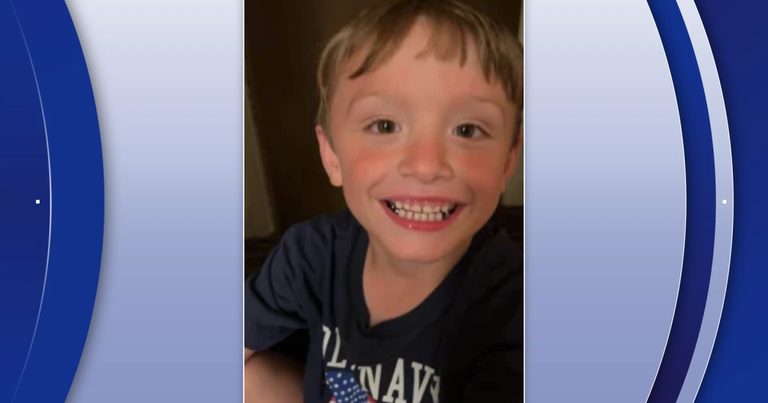
Kayla Derrick, a mother from DeKalb County, is leading a grassroots push for a new state measure known as “Charlie’s Law” – the Student and Teacher Safety Act. The proposal would require video cameras in self‑contained special education classrooms across Tennessee, a step she says is essential for protecting children like her five‑year‑old son, Charles, who is autistic and non‑speaking.
Why cameras are needed
“My son is nonverbal, and I live the reality of sending him to school every day and never hearing anything about it,” Derrick told reporters. She explained that a camera would give parents a reliable way to know what happens in the classroom when a child cannot speak for himself.
Beyond parental peace of mind, Derrick argues that the footage would also shield teachers from unfounded allegations. “This is not about watching your every move or nitpicking everything you do,” she said. “It’s about having a safeguard before an injury or a false accusation occurs.”
Legislative momentum
States such as Louisiana and West Virginia already require cameras in self‑contained special education rooms, and Alabama has a more limited version of the rule. Kentucky introduced a similar bill in March 2026. Tennessee lawmakers have considered comparable proposals in both 2025 and 2026, and Derrick says she has already spoken with several state senators and representatives.
“I’ve had meaningful conversations with several senators and state reps, so I’m hopeful that it can get passed in Tennessee,” she said.
Addressing cost and privacy concerns
During the last legislative session, opponents raised concerns about the cost of installing and maintaining cameras, as well as student privacy. Derrick counters that the expense is justified when children’s safety is at stake. “There’s no cost when it comes to children’s safety,” she asserted, adding that the bill includes safeguards to protect student privacy and limit access to footage.
Building a coalition
Derrick is seeking support from a broad coalition that includes legislators, disability advocates, other parents, teachers, and school boards. “I want everybody working together,” she said. “I think it’s a win‑win for everybody.”
The proposed legislation would require cameras only in self‑contained special education classrooms, not in general‑education spaces, thereby limiting the scope of surveillance while still providing a protective measure for the most vulnerable students.
What’s next?
The bill is expected to be introduced in the upcoming legislative session. If passed, Tennessee would join a growing list of states taking proactive steps to protect nonverbal and special‑needs students while also giving teachers a layer of protection against baseless claims.
Community members are encouraged to contact their state representatives to voice support for the measure. As Derrick puts it, “I will speak for you. I will fight for you. I will advocate for you, so that one day you can do it on your own.”
Original reporting: NewsChannel 5 WTVF (Scripps) – local — read the source article.