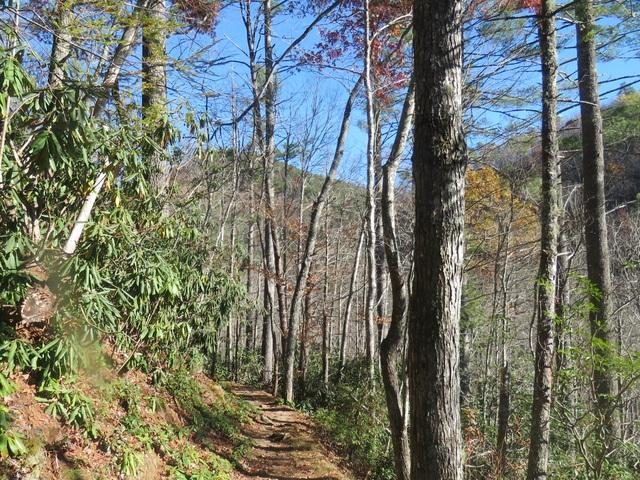
When the peak of autumn color has slipped away in the Great Smoky Mountains National Park, many assume the scenery loses its charm. Tom Harrington, a longtime hiker and contributor to the “Hiking with Harrington” series, proved otherwise on a November 18 walk along West Prong Trail.
Clearer Views After the Leaves Fall
With most of the canopy’s foliage now on the forest floor, Harrington found that the trail offers a unique opportunity to see farther into the woods. The reduced leaf cover uncovers the natural contours of the mountains—slopes, ridges, and valleys that are often hidden during peak foliage season. “Without dense foliage blocking the view, hikers can better observe the lay of the land,” he wrote.
What Remains of Autumn’s Palette
Although the brilliant reds and golds of October have faded, several tree species still display lingering color. Harrington notes that these remnants add subtle splashes of hue to the landscape, providing a quieter, more reflective backdrop for those who prefer a less crowded experience.
Seasonal Changes for Wildflowers
Wildflower activity is winding down for the year. The weekly wildflower reports, which track blooming patterns throughout the park, will pause for the winter months and resume in the spring. Harrington plans to continue sharing observations from his off‑season hikes, offering readers a glimpse of the park’s transition.
Trail Difficulty and Conditions
West Prong Trail remains a moderately challenging hike, suitable for hikers comfortable with uneven terrain and changing seasonal conditions. The trail winds through the Tremont area, a region known for its historic structures and scenic overlooks. Hikers should be prepared for cooler temperatures and potentially slick footing on fallen leaves.
Why Hike After the Peak?
Hiking after the peak foliage season presents several advantages. Beyond the clearer views, the trail is less crowded, allowing for a more solitary communion with nature. The quieter environment also makes it easier to spot wildlife and listen to the subtle sounds of the forest—birdsong, rustling leaves, and the occasional distant rush of a mountain stream.
Practical Tips for Visitors
- Dress in layers; November weather in the Smokies can shift quickly.
- Wear sturdy, waterproof footwear to handle wet leaves and uneven ground.
- Carry a map or use a reliable GPS app, as trail markers can be harder to see without the bright backdrop of fall colors.
- Check the National Park Service website for any trail closures or weather advisories before heading out.
For those seeking a different perspective on the Smokies, West Prong Trail in late fall offers a rewarding blend of lingering color, expansive views, and a peaceful atmosphere. Harrington’s observations remind us that the park’s beauty endures beyond the traditional peak season, inviting hikers of all skill levels to explore its quieter, yet equally majestic, side.
Original reporting: Knox TN Today — read the source article.