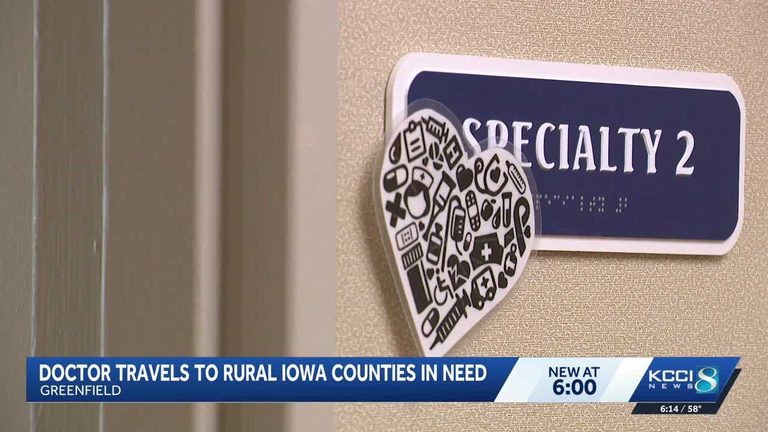
Access to women’s health services in rural Iowa has long been limited, with the state ranking last in the nation for OB‑GYNs per capita, according to the American College of Obstetricians and Gynecologists. Dr. Amy Bingaman, a board‑certified gynecologist based in West Des Moines, is working to change that reality by bringing menopause‑focused care directly to the patients who need it most.
Bringing Care to the Doorstep
Dr. Bingaman travels to hospitals and clinics across several rural counties, offering in‑person appointments that would otherwise require long drives to Des Moines. “It’s a very wonderful, tight‑knit community to be a part of,” she said, emphasizing the personal connections she builds with each patient.
For residents like Tina Jacob, a small‑town woman who delayed seeking help for years, the difference is life‑changing. “I kept pushing it off. I kept pushing away my health issues, just kind of avoiding, out of fear,” Jacob recalled. After finally seeing Dr. Bingaman, Jacob traveled 25 minutes from Bridgewater to Greenfield and began a treatment plan that eased her perimenopausal symptoms.
Addressing a Knowledge Gap
Many women are unaware of what perimenopause entails or what treatment options exist. A Gallup‑Pivotal poll cited in the interview found that only 37 % of U.S. women feel they understand menopause’s effects, and just 25 % know about available therapies. Dr. Bingaman noted that hormone replacement therapy is now FDA‑approved for osteoporosis prevention, yet many primary doctors still lack the expertise to guide patients.
“I have so many patients come to tell me that my doctor won’t do anything for me until my periods stop for one year,” she said. To fill that void, Dr. Bingaman earned the Menopause Society Certified Professional credential, ensuring she can provide evidence‑based counseling and treatment.
Stories of Relief
Pat Morrison, an 85‑year‑old resident who once dreaded the drive to Des Moines, also found relief after an ultrasound and personalized care plan. “Stubbornness” kept her from seeking help sooner, she laughed, but she now reports a marked improvement in quality of life.
Both women stress the importance of early action. “Check things out early rather than later,” Morrison advised, while Jacob added, “There’s a solution out there, and it’s good to get educated about your health because you’re definitely worth it.”
Impact on Rural Health
Dr. Bingaman’s outreach aligns with broader efforts to strengthen rural health infrastructure in Iowa. By providing specialized menopause care, she not only addresses a critical gap for women in their 40s and 50s but also demonstrates a model for bringing other specialty services to underserved areas.
Community leaders and health officials have praised the initiative, noting that such programs can reduce unnecessary travel, lower health‑care costs, and improve overall well‑being for rural families.
Looking Ahead
Dr. Bingaman plans to expand her visits to additional counties and hopes to inspire other specialists to adopt similar mobile‑clinic models. As she puts it, “Every woman, regardless of where she lives, deserves access to knowledgeable, compassionate care during this pivotal stage of life.”
Original reporting: KCCI Des Moines — read the source article.