Memphis, Tenn. – In a coordinated effort to combat blight, the City of Memphis filed lawsuits against 17 properties on Thursday, Nov. 19, marking the first court appearances in Environmental Court. The suits were prepared with the assistance of fourth‑year law students from the University of Memphis Neighborhood Preservation Clinic.
How the lawsuits work
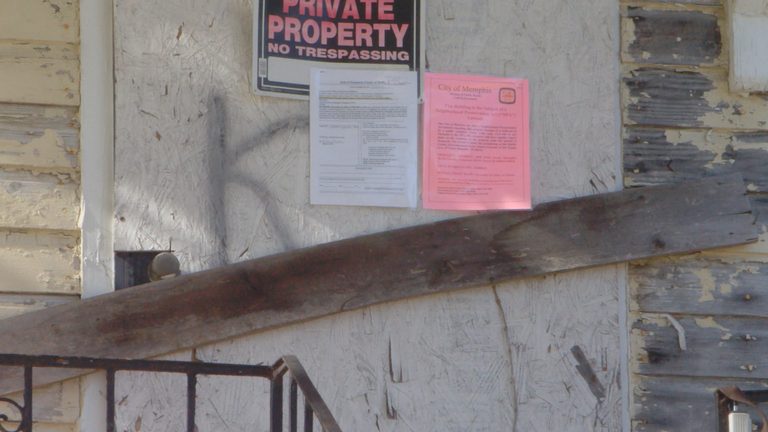
The city’s Code Enforcement Division referred the properties to the clinic after receiving 311 complaints about code violations that owners had ignored despite repeated notices. Under the Tennessee Neighborhood Preservation Act, the lawsuits target the properties themselves, not individual owners, and seek no monetary damages. Instead, they aim to address nuisance conditions and compel owners to bring the homes up to code.
Lani Lester, the city’s anti‑blight litigation manager and lead prosecutor, explained that the process gives owners a chance to present a remediation plan to the court. If an owner cannot or will not comply, a court may appoint a third‑party receiver to oversee repairs, with the possibility of the property being sold after the work is completed.
Law students gain real‑world experience
Four third‑year students – Abigail Deniston, Brenden King, Charles Woodman and Julia Springfield – researched the properties, drafted the complaints, filed the suits and handled required legal notices. Deniston, a Memphis native, said the clinic provides “technical experience” that can’t be replicated in a lecture hall. She added that the work extends beyond courtroom appearances, involving direct communication with property owners and managing complex relationships.
Lester, an alumna of both the university and the clinic, praised the program as a “crown jewel” of the city’s anti‑blight strategy. She noted that students bring fresh ideas to complicated cases while gaining valuable courtroom exposure.
Historical context and community impact
Clinic faculty director Brigid Welsh highlighted the legacy of redlining, predatory lending and foreclosures that have left many neighborhoods with vacant or deteriorating homes. Understanding each property’s history helps the clinic determine the most appropriate solution, whether that be owner rehabilitation, a receiver’s oversight, or, in rare cases, sale of the property.
Welsh emphasized that the clinic’s work is rooted in compassion and equity. “We want to give neighbors a voice and represent them,” she said, noting that residents living near blighted homes often suffer from reduced property values and safety concerns.
Looking ahead
Lester expressed optimism that property owners will respond positively. “We’re at the beginning and we’re very hopeful that owners will show up, take accountability, and do the work necessary to bring their properties into compliance,” she said.
The city hopes that successful resolutions will revitalize neighborhoods, preserve property values and set a precedent for future anti‑blight actions. The partnership with the university’s clinic expands the city’s capacity to address vacant and deteriorating properties, a need that grew sharply after the foreclosure crisis of the early 2010s.
For now, the 17 lawsuits represent a tangible step toward cleaner streets, safer homes and stronger communities in Memphis.
Original reporting: Action News 5 WMC (Gray) — read the source article.