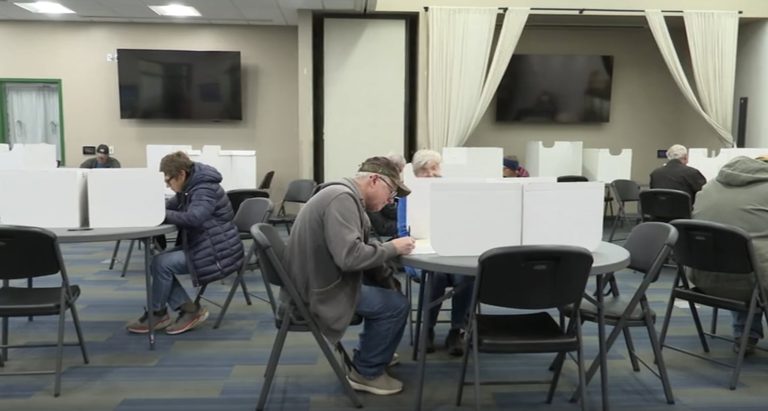
North Dakota voters reaffirmed the state’s long‑standing Republican alignment in the 2026 general election. The GOP continues to control the governor’s office, both U.S. Senate seats, the single U.S. House seat, every statewide office and enjoys super‑majorities in both chambers of the state legislature.
Democratic Inroads Remain Limited
Democrats did manage a few modest victories. In District 43, candidates Tyler York and Lucas Maughan each won a seat, flipping one of the two House districts to blue. Additionally, Mary Adams defeated an incumbent Republican senator seeking reelection. Rep. Zachary Ista (D) highlighted the progress, noting a 25 % growth in the Democratic caucus and higher vote shares even in races the party did not win.
Republican Perspective on the Results
Republican lawmakers downplayed the Democratic gains as temporary. “We need a good minority to keep us on task,” said Rep. Robin Weisz (R), emphasizing that a robust opposition can strengthen governance. “The big blue wave got to North Dakota a little bit, but it’s going to take a couple more cycles, a couple more years to keep convincing voters it’s time to maybe look for different options,” Ista added, acknowledging the challenge but underscoring the enduring Republican foundation.
Historical Context and Future Outlook
North Dakota has voted Republican in every presidential election since 1968. The last time Democrats held a majority in the State House of Representatives was 1982, underscoring the depth of the state’s conservative tradition. While Democratic vote shares rose in some contests, the overall pattern suggests the Republican base remains dominant.
Geographic Highlights
The only areas that consistently lean Democratic are the city of Fargo and several tribal reservations, where local issues and demographic factors contribute to stronger support for Democratic candidates.
What This Means for Voters
For North Dakotans, the 2026 results reaffirm that Republican policies continue to shape the state’s direction on issues ranging from energy to agriculture. The modest Democratic advances may signal where future campaign efforts will focus, but the prevailing political landscape remains firmly red.
Original reporting: KFYR-TV Bismarck (news) — read the source article.