The Idaho governor has convened a Working Group on College Athletics to study how the state’s universities might begin compensating their college athletes. The group, often called the “Super Friends” in local media, released a report outlining seven possible solutions, split between using existing funds and generating new revenue streams.
Existing Funding Options
Three proposals rely on resources already in the state’s education budget. First, the group suggests asking the Idaho State Board of Education to let universities temporarily retain interest earned on tuition and fee deposits. Second, it recommends tapping loans from the Higher Education Stabilization Fund, a reserve created to smooth enrollment fluctuations. Third, the report calls for streamlining the capital‑project approval process for athletics facilities, potentially reducing costs and speeding construction.
New Revenue Ideas
The remaining four ideas look to create fresh income. One encourages universities to monetize assets they already own, such as parking lots, naming rights, or unused land. Another proposes capturing revenue from sports‑related activity on prediction markets, a novel approach that could channel betting‑type interest back into athletic programs. A third suggestion is to formally recognize the economic impact athletics have on local businesses and communities, allowing schools to claim a share of that activity. Finally, the group urges universities to explore partnerships that generate revenue without compromising academic integrity.
State and Federal Context
Idaho’s effort comes as many programs outside the Power Five conferences—except the SEC and Big Ten—face financial strain. The governor’s office notes that without new funding models, several schools could see their athletic departments falter. At the federal level, Congress and President Trump have introduced the Save College Sports Act, legislation intended to give schools more flexibility in compensating athletes. The bill, however, appears stalled after recent elections, leaving states like Idaho to craft their own solutions.
Local Impact
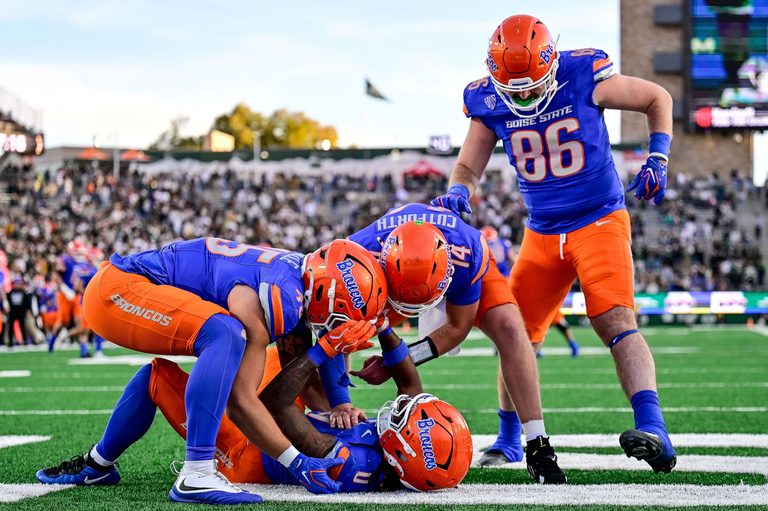
Boise State University, the flagship program highlighted in the report, draws thousands of fans to its iconic blue turf each season. Local businesses—from hotels to restaurants—report increased sales on game days, underscoring the community’s reliance on a thriving athletics program. By exploring ways to keep athletes compensated while preserving these economic benefits, the working group hopes to safeguard both the university’s competitive edge and the surrounding economy.
Next Steps
The Working Group will present its findings to the governor and the state legislature in the coming weeks. Lawmakers are expected to debate which proposals merit funding, with particular attention to those that do not require new taxes. Stakeholders, including university administrators, coaches, student‑athletes, and local business owners, have been invited to submit comments during a public comment period slated for early December.
Idaho’s proactive stance reflects a broader national conversation about the role of college athletics in higher education. While the federal Save College Sports Act remains uncertain, the state’s own task force demonstrates a commitment to finding practical, community‑focused solutions that align with Idaho’s values of personal responsibility, family support, and economic liberty.
Original reporting: 580 KIDO Talk Radio (Boise) — read the source article.