The first thing that hits you is the scale of the place. Walk into the Stockyards Ag Experience on the north end of Sioux Falls, near the old stockyards grounds off North Cliff Avenue, and you’re standing inside a building that takes agriculture seriously — not as nostalgia, not as a photo op, but as the actual economic spine of South Dakota.
I’ll admit I went in with modest expectations. I’d driven past the sign a dozen times and assumed it was the kind of place you take a school group, nod politely at some grain samples, and leave. That’s not what this is.
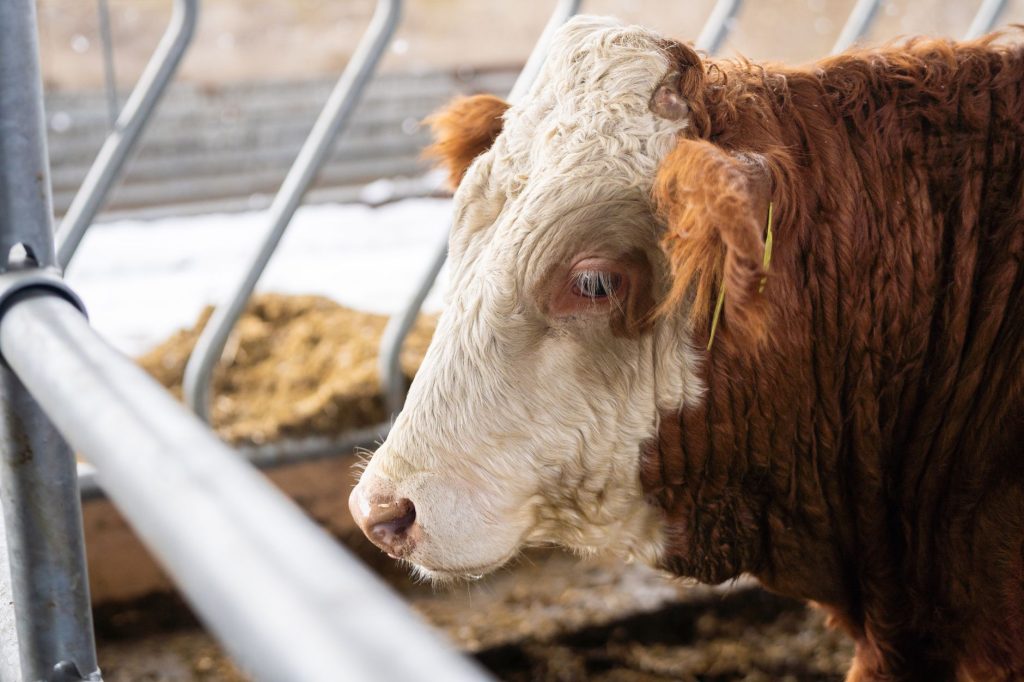
The exhibits move through the full arc of the livestock and grain industries — from the history of the Sioux Falls stockyards, which at their peak were among the largest in the region, through the mechanics of modern commodity markets, all the way to what a working cattle auction looks and sounds like. There’s an actual auction ring inside the building where, on certain days, you can watch a live sale. That alone is worth the trip. The auctioneer’s cadence, the hand signals from the buyers along the rail, the way the cattle move through — it’s genuinely compelling if you’ve never been inside a real sale barn.
The interactive side of the museum is well done without being gimmicky. You can walk through exhibits on crop science, soil health, and animal nutrition. There’s a section on the economics of farming that doesn’t talk down to visitors — it explains futures contracts and market cycles in a way that’s clear without being condescending. For anyone who grew up rural, it’ll feel familiar. For anyone who didn’t, it’s a real education.
What I appreciated most was the lack of sentimentality. This isn’t a museum that romanticizes farming as a lost way of life. It presents agriculture as a living, evolving industry with real pressures and real stakes. The exhibit on drought years and commodity price swings has a seriousness to it that you don’t often see in a family-friendly space.
Admission is around $8 for adults, less for kids, and the building is clean, climate-controlled, and well maintained. Plan on 90 minutes to two hours if you’re actually reading the panels and watching the videos. If a live auction is scheduled during your visit — check their calendar before you go — budget extra time and try to get there early enough to find a spot at the rail.
It’s open Tuesday through Saturday, and parking is free and plentiful. The neighborhood around it is industrial and unglamorous, which is fitting — this isn’t a place that’s trying to sell you something pretty. It’s trying to show you something true about where this part of the country came from and what still keeps it running.
If you’ve got someone visiting from out of state who thinks South Dakota is flyover country, bring them here before you do anything else. It makes the rest of the region make a lot more sense.