Jacksonville families are being encouraged to monitor food recall alerts after local data showed a modest drop in overall recall events this year. According to RecallBench, a site that aggregates FDA and USDA recall records, 430 food recall events were logged through late October 2026 – roughly 14% fewer than at the same point last year.
Local parents take a proactive stance
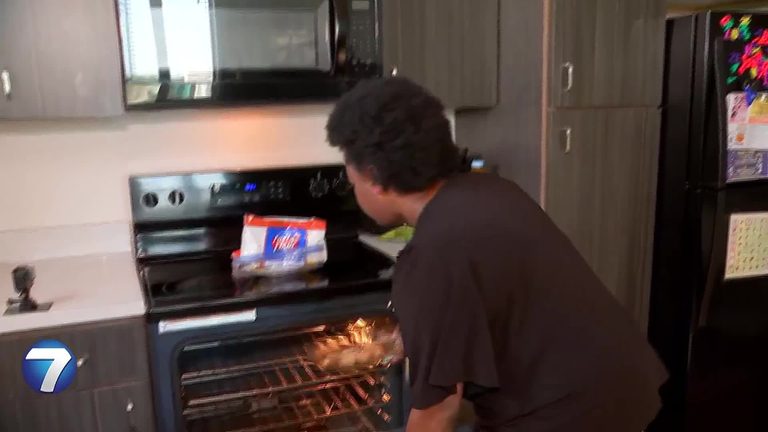
For Jacksonville mother Shontez Leonard, protecting her son’s lunchbox starts with vigilance. “I usually try to keep track of the recalls that are happening, and then whatever brand is under recall, I try to look for an alternative product,” Leonard said. Leonard relies on the RecallBench tool, which updates nightly and lets users search specific items such as blueberries or allergen‑labeled products.
Understanding the risk levels
Not all recalls pose the same danger. Of the 430 events, 171 were classified as Class I – the highest‑risk category that can cause serious health consequences or even death. The remaining alerts involve lower‑severity issues, often related to labeling errors or minor contamination.
Pediatric guidance for confused parents
Dr. Pauline Rolle, a pediatrician with Ascension St. Vincent’s, explained that many parents feel overwhelmed by the flood of information online. “There’s a lot of information out there, especially on our social media services. And so parents are asking, well, who’s reliable? Who should I trust? What answers do you have?” she said.
Dr. Rolle cautioned that a child’s vomiting or diarrhea does not automatically point to a recalled product. “We see a lot of vomiting and diarrhea, and it can be hard to dissect as to whether that’s viral or it’s related to some food recall. So taking a good history is one of the ways we help figure that out,” she noted.
She emphasized the importance of pinpointing the exact item under recall. “Sometimes the difference is as simple as broccoli versus broccoli sprouts. So knowing what it actually is that’s being recalled is important. Don’t go crazy throwing everything out kind of thing,” Dr. Rolle advised.
Practical steps for families
Both Leonard and Dr. Rolle recommend a few straightforward actions:
- Check the RecallBench website or app regularly for updates on specific brands.
- When a recall involves a product you purchase, verify whether the entire brand line is affected or only a particular batch.
- If you’re unsure, consult your child’s doctor for guidance rather than discarding all similar foods.
- Pay attention to the source of the product; many items share a common distributor, which can broaden the scope of a recall.
Leonard added, “Make sure that they’re not coming from the same brand because sometimes they all come from the same distributor.”
Why the decline matters
The 14% reduction in recall events suggests that manufacturers and regulators are improving safety practices, though the presence of 171 high‑risk Class I alerts reminds families that vigilance remains essential. Dr. Rolle praised the increased transparency provided by tools like RecallBench, noting that “having a reliable, up‑to‑date source helps parents make informed decisions without unnecessary panic.”
For Jacksonville residents, the message is clear: stay informed, verify the specific product in question, and lean on trusted medical professionals when uncertainty arises. By doing so, families can keep lunchboxes safe without overreacting to every recall headline.
Original reporting: WHIO-TV Dayton (local) — read the source article.