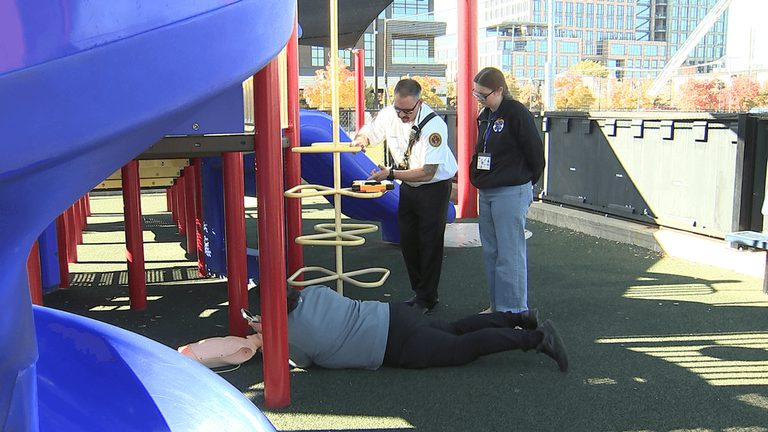
On Thursday, ONEOK Field in Tulsa became a classroom for the city’s public‑safety professionals. The “Running the Bases: Difficult Airway Management” session offered free, advanced medical training to firefighters, paramedics, police officers and flight‑medical crews from dozens of local agencies.
Hands‑on instruction for real‑world emergencies
The curriculum focused on the most challenging airway scenarios first responders may encounter in the field—severe injuries, obstructions and cases that require advanced procedures such as video laryngoscopy and specialized suction equipment. Participants moved from classroom lectures to realistic simulations staged throughout the stadium, allowing them to practice life‑saving techniques in a controlled yet demanding environment.
Broad participation from Tulsa’s safety network
Attendees represented the Tulsa Fire Department, EMSA, Owasso Fire, Bixby Fire, Broken Arrow Fire, Tulsa Life Flight, Air Evac, Cherokee Nation EMS, the Tulsa Police Department and several other area agencies. By bringing together fire, EMS, law‑enforcement and aviation medical teams, the training aimed to improve individual competence, share best practices and deepen the relationships that are essential when agencies work side‑by‑side during emergencies.
Why advanced airway training matters
Airway management is a critical component of pre‑hospital care. When a patient’s airway is compromised, rapid and precise intervention can be the difference between life and death. The use of video laryngoscopy, for example, gives providers a clearer view of the airway, increasing the likelihood of successful intubation even in difficult circumstances. Specialized suction devices help clear blood, vomit or debris that might otherwise block breathing.
By mastering these tools and techniques, Tulsa’s first responders are better equipped to handle high‑stress situations, from motor‑vehicle collisions to mass‑casualty incidents. The training also reinforces a unified approach, ensuring that each agency understands the protocols and communication methods of its partners.
Community impact and future plans
Providing this advanced education at no cost reflects the commitment of local leaders and private partners to public safety. The event underscores the importance of continual professional development for those who protect our neighborhoods, families and churches.
Organizers indicated that similar training sessions will be scheduled throughout the year, covering other critical topics such as trauma care, hemorrhage control and pediatric emergency response. By investing in the skills of Tulsa’s first responders, the community gains a stronger safety net that aligns with the values of family protection and individual liberty.
Residents can take confidence in knowing that their emergency personnel are receiving cutting‑edge instruction, ready to act swiftly and effectively when crises arise.
Original reporting: KTUL 8 (Sinclair) – local — read the source article.