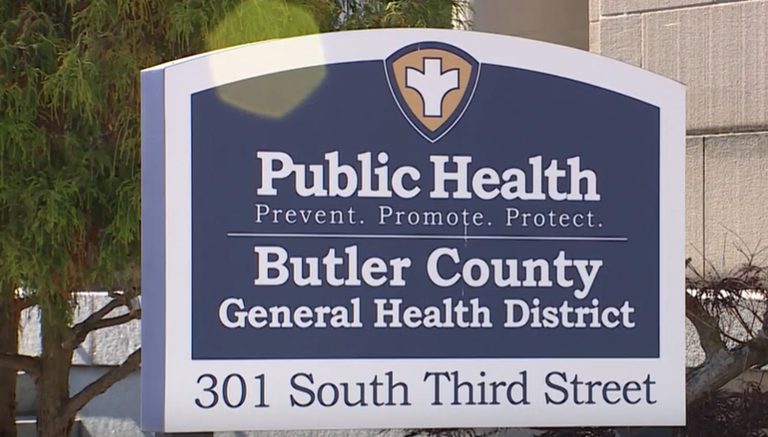
Butler County health officials are alerting residents that norovirus concentrations have increased in the wastewater system serving Hamilton. The warning comes as the virus, which causes gastrointestinal upset, spreads more easily during the cooler months.
What norovirus looks like
Norovirus typically produces nausea, vomiting, diarrhea, and stomach cramps. For the majority of people, rest, hydration and over‑the‑counter remedies are sufficient to recover. However, the illness can lead to dehydration, especially when sufferers are unable to keep fluids down.
When to call a doctor
“If patients are having, like, really, lightheadedness when they stand up, they can’t keep any fluids down, they’re having severe abdominal pain, those are signs that they should definitely call their doctor or seek medical attention,” said Dr. Christine O’Day of the UC College of Medicine. “But most of the time, people can manage norovirus at home,” she added.
Dr. O’Day recommends that anyone experiencing mild symptoms contact a primary‑care physician for guidance, while those who develop light‑headedness, persistent vomiting, or severe abdominal pain should seek prompt medical care to avoid complications.
How to protect yourself and your family
Basic hygiene remains the most effective defense against norovirus. Hand‑washing with soap and water for at least 20 seconds, especially after using the restroom and before handling food, can dramatically reduce transmission. Surfaces that may be contaminated—kitchen counters, bathroom fixtures, and door handles—should be cleaned regularly with a bleach‑based disinfectant.
Families are encouraged to keep extra fluids on hand, such as oral rehydration solutions, clear broths, or electrolyte drinks, to replace lost fluids quickly. If a household member falls ill, isolate them from others as much as possible and avoid sharing utensils, towels, or bedding until they have fully recovered.
Community response
The Butler County Health Department will continue monitoring wastewater data and will issue updates if trends shift. Residents can stay informed through the department’s website and local news outlets. By staying vigilant and following Dr. O’Day’s guidance, the community can limit the spread of norovirus and protect its most vulnerable members.
Original reporting: WLWT Cincinnati — read the source article.