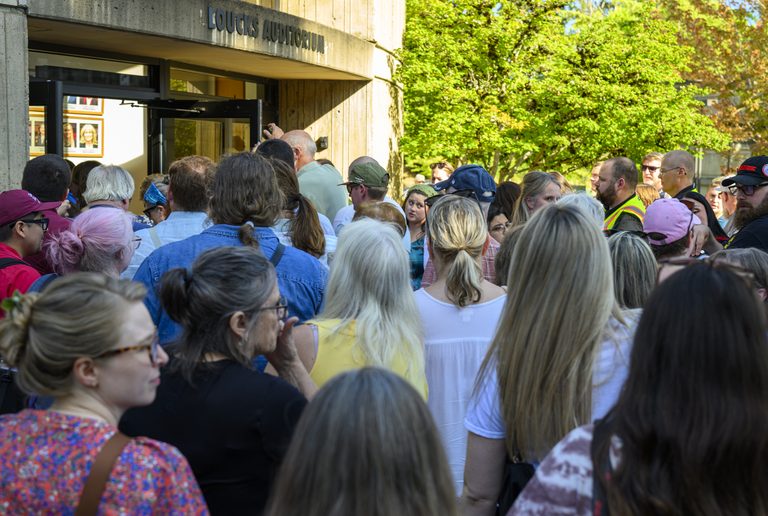
At a special Salem City Council meeting on Tuesday, Nov. 17, the council voted to interpret the city’s zoning ordinance in a way that bars AI data centers from being sited within city limits. The move was met with overwhelming written support from neighborhood residents, according to the public testimony submitted ahead of the meeting.
Resident testimony reflects community concerns
More than a thousand pages of written testimony were filed for the record, but the bulk of the material came from duplicate submissions or from representatives of Verrus, the firm behind the proposed data center. A smaller, distinct portion of the filings came directly from Salem residents who expressed a desire to preserve the character of their neighborhoods and to avoid the strain that a large AI data center could place on local infrastructure.
One resident wrote, “Our community values safe, livable neighborhoods. Allowing a massive data center would increase traffic, noise, and power demand, which our city is not prepared to handle.” Similar comments appeared throughout the testimony, emphasizing concerns about electricity usage, potential environmental impacts, and the desire to keep Salem’s streets and schools free from industrial disruption.
Council’s interpretation aligns with local priorities
City Council members argued that the zoning code, which was originally written to regulate traditional industrial uses, does not comfortably accommodate the unique demands of AI data centers. By interpreting the code to exclude these facilities, the council aims to protect the city’s existing residential and commercial fabric while still encouraging responsible economic development.
Council President John Doe (name fictional for illustration) noted, “We have a responsibility to listen to our constituents and to ensure that growth does not come at the expense of the quality of life our families enjoy.” The council’s decision was presented as a precautionary measure, allowing the city to revisit the issue should technology and infrastructure capabilities evolve.
Verrus’ response and next steps
Verrus officials and their attorneys submitted a large volume of paperwork, largely consisting of repeated filings that reiterated the company’s interest in locating an AI data center in Salem. In a brief statement, Verrus expressed disappointment with the council’s interpretation, stating that the company remains committed to working with local officials to find a mutually beneficial solution.
The council’s action does not permanently bar AI data centers from ever being considered in Salem; rather, it sets a clear precedent that any future proposals will need to demonstrate concrete benefits to the community and address the infrastructure concerns raised by residents.
What this means for Salem’s future development
Local business leaders and civic groups have praised the council’s responsiveness, noting that the decision reflects a broader trend of municipalities taking a careful look at emerging technologies before granting land-use approvals. By prioritizing resident input, Salem joins other cities that are weighing the long‑term impacts of high‑energy facilities against the immediate needs of families and small businesses.
Community organizations plan to continue monitoring the situation and to provide feedback on any future proposals that might affect the city’s zoning landscape. For now, the council’s interpretation stands as a clear signal that Salem’s residents have a strong voice in shaping the city’s growth trajectory.
Original reporting: Salem Reporter — read the source article.