The Cheshire Housing Authority announced that, beginning Jan. 1, all maintenance employees will wear body‑cameras while working inside the town’s affordable and senior housing units. In a letter to tenants, the authority said the cameras are “essential for monitoring the areas where our staff work and provide better visibility of work performed,” adding that recordings will be stored digitally and accessed only by authority staff.
Resident reactions at the board meeting
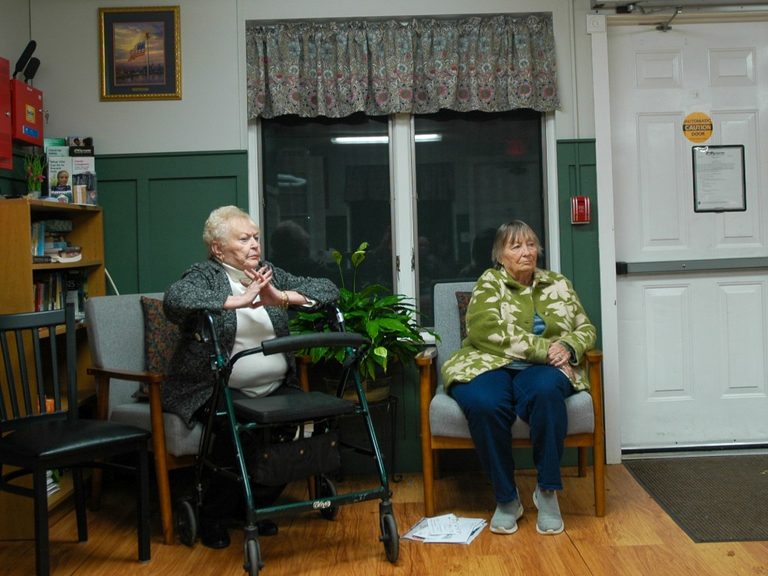
During the regular board of commissioners meeting, residents voiced both support and concern. Long‑time tenant Cara Cantley called the policy “an invasion of our privacy” and asked whether filming could be limited to a case‑by‑case basis. She described the measure as “insulting, degrading, demeaning” for residents who do not cause problems.
Board Chairman Bill Tanner, a former police officer, responded that cameras protect both staff and tenants. “I’m used to cameras,” he said. “They protect both ways.” He noted that a case‑by‑case approach could single out individuals and undermine the policy’s purpose.
Safety and accountability arguments
The authority explained that the new policy was adopted after several accusations of elder abuse were reported by tenants. By capturing an objective record of staff interactions, the authority hopes to deter misconduct and give residents a clearer avenue for reporting problems.
Some residents welcomed the added oversight. Marilyn DelGreco, who has lived in the development for 21 years, said, “I don’t have a problem with the cameras. I actually feel that they’re an asset. I think they are protecting our maintenance men.”
Legal and community perspectives
Elizabeth Rosenthal, deputy director of the New Haven Legal Assistance Association, warned that the cameras could have a chilling effect on tenants’ willingness to request repairs. “There’s something autocratic about it and a little bit scary that we expect people—if they are going to be living in a low‑income community—that they have to consent to all of their outdoor activities and now indoor activities viewed and monitored by the people they are renting from,” she said.
Other board members pointed out that public areas of the housing complexes are already under surveillance, and that many everyday spaces—traffic intersections, retail stores, schools—are routinely monitored by cameras. Resident Janet Norback echoed this view, noting, “As much as it does seem like an invasion when they’re in your home with that, we are everywhere else on camera.”
Regional context
Cheshire is not the first Connecticut municipality to equip maintenance staff with body‑cameras. Executive Director Ann Belcher said the authority consulted with the Milford Housing Authority, where the practice is already in place. Milford’s Executive Director Nile Scala confirmed that their maintenance personnel wear body‑cameras and added, “I think all housing authorities should have them.”
The move reflects a broader trend among local housing agencies to use technology to improve accountability while balancing resident privacy concerns. The board will continue to monitor the program’s impact and will consider resident feedback as the policy is implemented.
Original reporting: The Connecticut Mirror — read the source article.