A new pilot study conducted at The Friendship Center in Hartford shows a startling prevalence of cognitive impairment among unhoused seniors. Researchers screened 72 adults aged 53 to 78 and found that 82% displayed some form of cognitive decline.
Key findings
Among the participants, 26% demonstrated moderate to severe impairment while 56% showed mild impairment. The problem was especially acute for those 62 and older, with 94% of that group exhibiting cognitive issues.
The assessment used the Montreal Cognitive Assessment, a ten‑minute test that evaluates memory, visuospatial reasoning, language, attention and other functions.
Implications for service providers
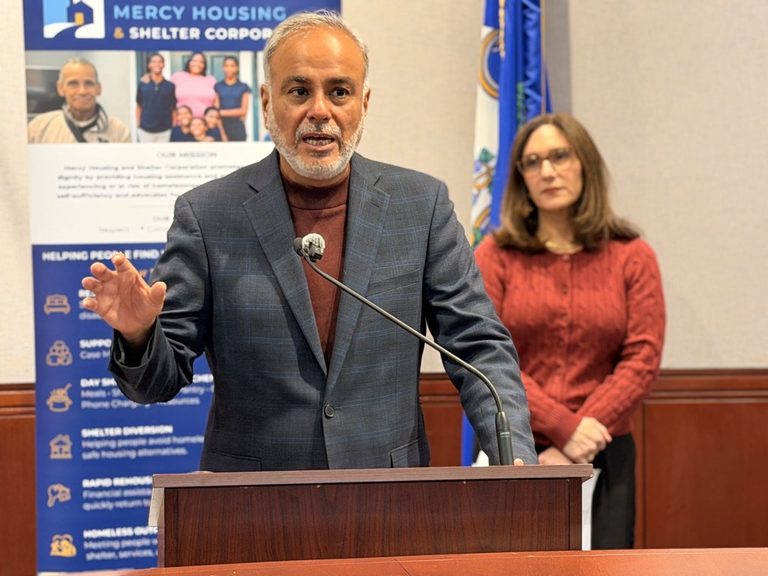
Kara Capone, CEO of Community Housing Advocates and Mercy Housing, said the results highlight a gap in current homeless services, which have traditionally focused on younger, working‑age adults. “Programs have historically been designed for younger working‑age adults who probably don’t have any of these issues we’re talking about, but we can’t expect that type of approach to work for everybody who is coming through our doors,” she said.
Julian Pierce, deputy commissioner of the Connecticut Department of Housing, warned that cognitive impairment can make it harder for individuals to navigate complex systems, manage health needs, complete housing applications and keep appointments, ultimately hindering long‑term housing stability.
Calls for stronger partnerships
Speakers at the press conference urged tighter collaboration between homelessness service providers and health‑care agencies. They emphasized the need for staff training to screen for cognitive issues, especially among those 62 and older, and to respond appropriately when impairments are identified.
Sen. Saud Anwar, D‑South Windsor and a physician, noted that conditions such as dementia, uncontrolled diabetes and hypertension can contribute to cognitive decline. He cautioned against assuming that substance use is the sole cause, pointing out that medical factors often play a significant role.
Housing and policy context
The study arrives as Connecticut’s point‑in‑time count shows the number of unhoused adults 65 and older rising from 281 in 2025 to 320 in 2026 – a 51% increase since 2024. Lawmakers, including Rep. Laurie Sweet, D‑Hamden, are pushing for stronger tenant protections and zoning reforms to expand affordable housing options.
Capone stressed that the participants were sober at the time of testing, underscoring that cognitive challenges affect many unhoused seniors regardless of substance use.
With these findings, state and local officials say they are ready to address the growing need for specialized services, hoping early identification and targeted support will improve outcomes for Hartford’s most vulnerable seniors.
Original reporting: The Connecticut Mirror — read the source article.