The Kansas City Chiefs took a decisive step toward building a new stadium and team headquarters in Kansas this week. In a series of contracts signed with the Kansas Sports Facilities Authority, the club and the state set out lease terms, construction milestones, community‑impact commitments and, notably, a greater emphasis on personal seat licenses (PSLs) as a financing tool.
What the contracts cover
The agreements, presented at the Authority’s first meeting in Topeka, spell out the basic framework for the project. They reaffirm the rent structure and the minimum contributions to a community‑impact committee that were first outlined in December. The documents also specify that the stadium will occupy more than 300 acres in Wyandotte County, though the exact site remains under negotiation. Hunt said the team has secured 98% of the needed property and has four months to finalize the location.
Personal seat licenses get a bigger role
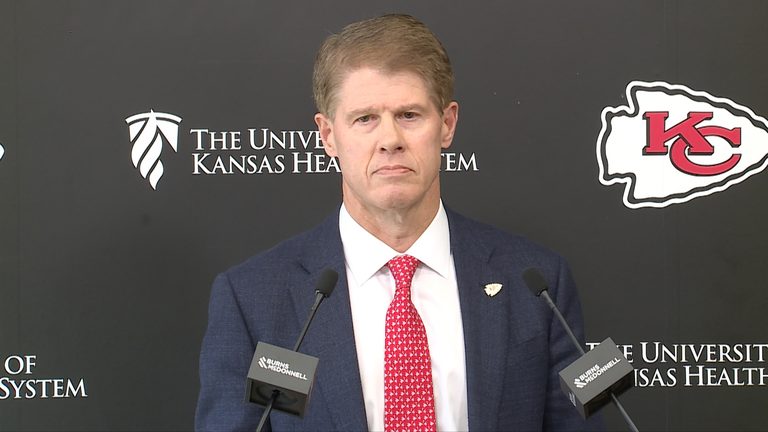
A personal seat license is a one‑time fee that fans pay before they can purchase season tickets. While the Chiefs do not collect PSLs at Arrowhead Stadium, the new contracts reference them more heavily than earlier drafts. “If we’re going to sell PSLs, we had to factor that into the agreement,” Chiefs chairman and CEO Clark Hunt explained at Thursday’s news conference.
Nearly every new NFL stadium incorporates PSLs to help cover construction costs, and the Chiefs appear poised to follow that model. The emphasis on PSLs signals a willingness to share part of the financing burden with supporters who want premium seating in the state‑of‑the‑art facility slated to open in 2031.
Community impact and local concerns
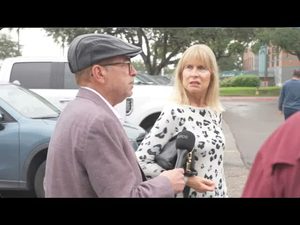
For season‑ticket holder Christina Arpin, the contracts raise practical questions. “I’m looking forward to it. It’s going to be a change for the community. It’s going to be an expensive change,” she said, adding that families will need to consider what financial adjustments are required to afford the new seats.
The agreements include community‑impact provisions designed to benefit local residents, though the specifics were not detailed in the released documents. The Authority’s meeting also featured conceptual renderings of the stadium and a new headquarters, both expected to boost jobs and economic activity in the region.
Timeline and next steps
The team aims to break ground soon, with a target opening date of 2031 for both the stadium and the headquarters, which will be located in Olathe. The four‑month window to lock down the exact site gives the club and the Authority time to address any remaining land‑acquisition issues and to finalize financing details, including the role of PSLs.
While Hunt declined to commit to a definitive PSL policy, his comments suggest the club is prepared to use the mechanism if it proves necessary to keep the project on schedule and within budget.
What this means for Kansas fans
Should PSLs become part of the financing plan, fans who wish to secure premium seats will likely need to pay an upfront fee well before the 2031 opening. This approach mirrors the financing structure of most recent NFL venues and could help ensure the stadium is built without placing undue strain on taxpayers.
Local leaders and community groups will continue to monitor the negotiations, balancing the promise of new jobs and economic growth with the need to protect families from unexpected costs.
Original reporting: KSHB 41 Kansas City (local) — read the source article.