Arkansas now ranks among the states with the highest incidence of new lung cancer cases, according to the American Lung Association’s latest State of Lung Cancer report released Tuesday. The data show the state recorded 70.4 new cases per 100,000 residents, compared with a national average of 52.1.
Screening gaps persist
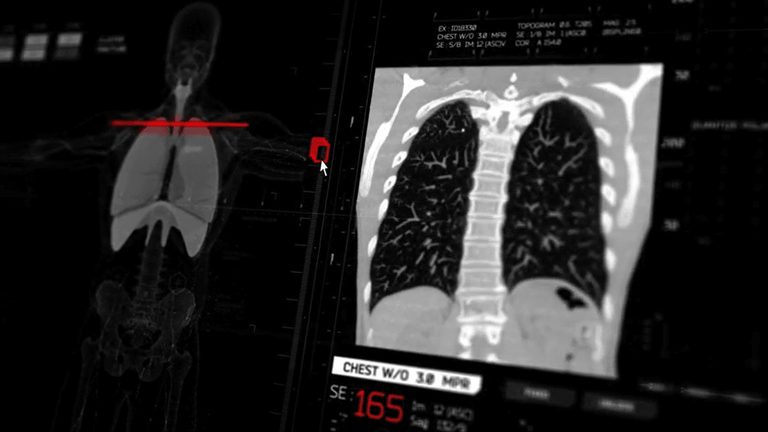
Despite the elevated risk, the report found that only 24.3% of Arkansans identified as high‑risk—primarily long‑time smokers—have undergone low‑dose CT screening, a figure that barely differs from the national screening rate of 24.4%.
Laura Turner, director of advocacy for the American Lung Association in Arkansas, emphasized that early detection can dramatically improve treatment outcomes. “Screening can catch lung cancer earlier, when it is easier to treat,” Turner said. She urged anyone with a history of smoking to discuss eligibility for screening with their primary care provider.
Smoking rates and health impact
The state’s smoking prevalence stands at 14.2%, a factor that contributes to the high cancer rate. While the report did not break down how many patients are diagnosed at an early stage or the five‑year survival rates for Arkansans, the disparity between incidence and screening underscores a public‑health challenge.
Community response and resources
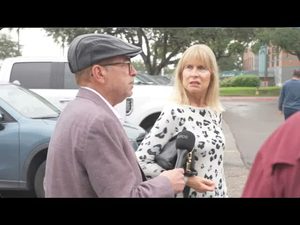
Two days after the report’s release, the Coalition for a Tobacco‑Free Arkansas held a press conference at Little Rock City Hall to mark the Great American Smokeout, an annual event encouraging a day without tobacco as a first step toward quitting.
“Our aim is to address quitting smoking, supporting others, spreading awareness, and access to resources,” said Katherine Donald, the coalition’s executive director.
Local residents shared personal stories of quitting. Dwight Pridgen, Little Rock’s re‑entry coordinator, said he stopped smoking in 2015 to set a better example for those he assists. Sherry Adams recalled beginning smoking at age 15, stealing cigarettes from her father, and now pledges to stay tobacco‑free for the Smokeout day.
Help is available
Arkansans seeking assistance can call the state’s Be Well Quit‑line at 1‑833‑283‑9355 or the national Quit‑line at 1‑800‑QUIT‑NOW. The full American Lung Association report is accessible through the organization’s website.
Public‑health officials and community groups continue to stress the importance of both prevention and early detection. As Arkansas confronts a lung cancer rate that exceeds the national average, expanding screening access and supporting cessation efforts remain critical steps toward reducing the disease’s burden.
Original reporting: KATV Little Rock (local) — read the source article.