What do people actually do with a free afternoon in Rapid City when they don’t want to drive forty minutes into the Hills? That question has a straightforward answer sitting right on Lacrosse Street, about two miles south of downtown: the Rapid City Zoo, also known formally as the Black Hills Wild Animal Sanctuary, has been operating on this same patch of land since 1949 and somehow still surprises people who assume it must be too small to bother with.
It is small, comparatively. That’s not a complaint. The zoo occupies around forty acres, which means a family can see the whole thing in two or three hours without anyone’s feet giving out. The pace is relaxed in a way that the larger regional attractions rarely are. No admission-line anxiety, no shuttle buses, no merchandise kiosks every thirty feet. Kids move from enclosure to enclosure at their own speed, and adults actually stop and look at animals instead of just herding toward the next thing.
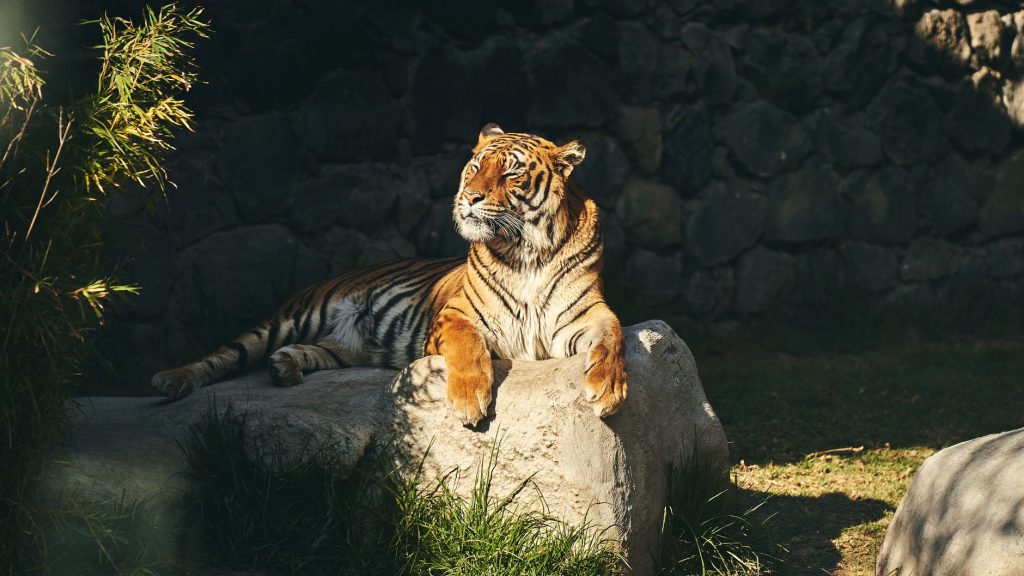
The collection skews toward North American and African species, with some resident primates and big cats rounding things out. The grizzly bears draw consistent attention — the facility has had grizzlies for decades and their habitat is well-sized, with water features that keep the bears visibly active during morning visits rather than heat-napping in the back corner. White-tailed deer and American bison put the regional ecology front and center, which makes the zoo feel connected to the landscape outside its fences rather than trying to replicate something from another continent. The giraffe feeding station runs on a timed schedule and costs a small additional fee — worth it if you’re visiting with children, easy to skip if you’re not.
Admission prices have remained reasonable compared to major metro zoos. Adults run around fifteen to seventeen dollars, children somewhat less, and there are discounts for military families. Season passes make sense for local families who’ll return a few times over the summer — they pay for themselves quickly at this price point.
The grounds are well-maintained without being manicured to the point of sterility. There’s actual grass, actual shade, actual benches placed where people want to sit and not just where a landscape architect thought they should go. The concession stand near the main entrance does the expected hot dogs and nachos, nothing more, which is fine. The zoo doesn’t pretend to be a dining destination.
Morning visits, particularly on weekdays between May and September, offer the best combination of animal activity and manageable crowds. Weekend afternoons in July can get congested near the main paths, though even then it doesn’t reach the gridlock of Mount Rushmore or Reptile Gardens. By late September the crowds thin considerably and the fall light on the Hills behind the perimeter fence is genuinely worth the trip on its own.
For Rapid City residents, the zoo functions as a low-key local institution — the kind of place grandparents have brought grandchildren for three generations running. For visitors passing through, it’s an honest two-and-a-half-hour stop that earns its admission price without inflating expectations. The animals are healthy, the setting is pleasant, and nobody’s trying to sell a premium experience. Sometimes that’s exactly what an afternoon requires.