When Grand Theft Auto VI launched, gamers worldwide dove into the fictional state of Leonida and its flagship city, Vice City. A native of South Florida, who has spent nearly 34 years living in the region, examined the virtual world and found it remarkably true to life.
Iconic Miami landmarks nailed
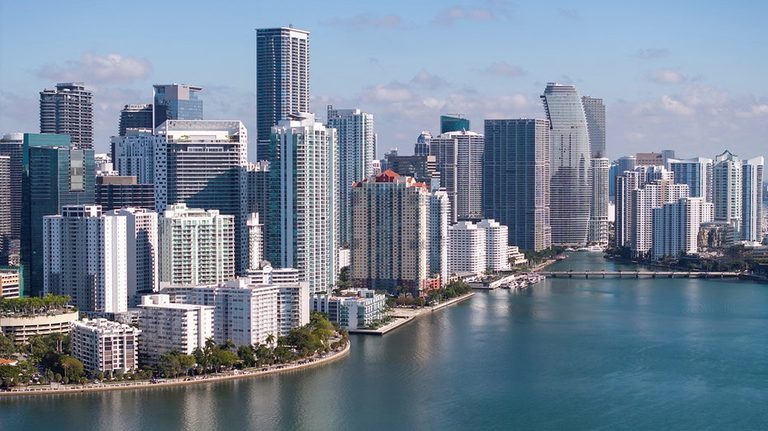
The reviewer, a longtime resident of Fort Lauderdale, notes that the game’s downtown area mirrors Miami’s skyline. Major structures such as the Southeast Financial Center and the neon‑lit Miami Tower appear in the virtual city, and the Julia Tuttle Causeway is faithfully reproduced as the bridge linking the mainland to Miami Beach.
Even secondary sites receive attention. The virtual version of Bayside includes a ferris wheel and a Hard Rock Café‑style venue, while the Kaseya Center (home of the Heat) and the former Crandon Park Tennis Complex are also present. Miami International Airport sits in the correct relative location, and the Dolphin Mall in nearby Sweetwater is rendered as an enterable, near‑exact replica.
South Florida’s unique details
Beyond the skyline, the game captures subtler regional traits. The teal overpasses that line the highways, the limestone quarries west of the Turnpike, and the extensive intracoastal waterways with waterfront mansions all appear in the virtual world. Australian Pines—an invasive tree common along the coast—dot the game’s shoreline, a detail that only a lifelong local would notice.
Culture and character also feel authentic. The game reflects Miami’s multicultural vibe, especially the strong Hispanic presence, and even includes the “Florida Man” reputation with random street‑level encounters that can turn violent.
The Florida Keys, mostly accurate
Rockstar’s representation of the Keys earned praise for its overall feel. The in‑game highway resembles US‑1, and the causeways echo the real‑world bridges linking the islands. Small, family‑run shops populate the area, mirroring the Keys’ local businesses.
However, the reviewer points out a notable omission: Key West, the most iconic island, is absent. While the game includes a version of Key Largo (named “Key Lento”), the lack of a fully rendered Key West leaves a gap in an otherwise faithful recreation.
Rural Florida and the map’s limits
Outside Vice City, the map expands to include fictional towns like Ambrosia and Port Gelhorn, which blend elements of various rural Florida locales. The reviewer appreciates the nostalgic feel of rundown motels, dying grass, and distant sugar refineries that evoke trips through the Everglades.
As the player moves farther from the urban core, detail diminishes, a natural trade‑off given the game’s scale. Still, the overall impression is that Rockstar succeeded in capturing the spirit of South Florida.
Conclusion
For a gamer who grew up driving the Turnpike, shopping at Dolphin Mall and watching Heat games at the Kaseya Center, GTA VI feels like a love letter to the Sunshine State. While a few omissions remain, the game’s dedication to regional authenticity offers both entertainment and a virtual tour of Miami, its suburbs and the Florida Keys.
Original reporting: Fox News (HLL/CB) — read the source article.