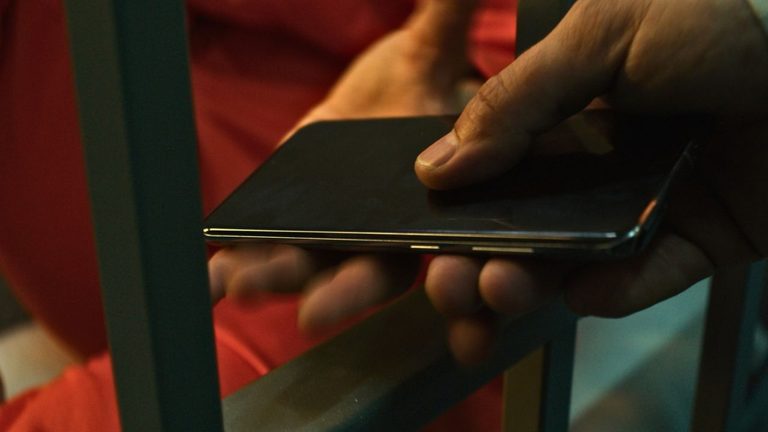
The Federal Communications Commission voted on Thursday to allow state and local correctional facilities to apply for permission to jam unauthorized cellphone signals inside designated “jamming containment areas.” The decision gives Texas prisons a new, legally‑backed option to disrupt the flow of illegal drugs, tobacco, and contraband phones that have plagued facilities in recent years.
How the new rule works
Under the November 19 order, jamming is permitted but not required. Facilities must first obtain an experimental license, conduct initial testing, and then complete further testing after the license is granted. Any jamming must be confined to approved containment zones and must not cause harmful interference to lawful wireless service outside those zones. Nearby communities will receive advance notice before testing begins and before any permanent deployment.
Why the FCC acted now
The agency cited a 2024 study showing that participating prisons recovered more than 25,000 contraband phones in a single year, including over 6,000 at each of two facilities. While the FCC did not break out Texas‑specific numbers, the trend underscores a growing problem that Texas officials have highlighted with recent smuggling cases.
Recent Texas smuggling prosecutions
Just two days before the FCC vote, Texas Department of Criminal Justice officials announced the conviction of former prison captain Jessica Ricks for a conspiracy that involved illegal drugs, tobacco, cellphones, and cellphone accessories. Ricks received a 40‑year sentence, two 20‑year sentences, and three $10,000 fines. The investigation, which began in spring 2025, led to 23 indictments and demonstrated how deeply organized crime can infiltrate correctional settings.
In April, the TDCJ reported a separate operation that seized more than 100 cellphones, methamphetamine, synthetic cannabinoids, and other narcotics during a drone‑delivery investigation at the Mark W. Michael Unit in Tennessee Colony. Arrests included a former correctional officer from Dallas and individuals from Plano and Krum.
What the rule does not do
The FCC order does not grant unrestricted jamming rights to every Texas prison. Facilities must still apply for authorization, meet technical safeguards, and ensure that lawful wireless service outside the containment area is not disrupted. The agency also requires shutdown procedures and ongoing monitoring.
Importantly, the decision does not replace other anti‑smuggling measures. Prisons will still need to intercept drones, conduct searches for illegal devices, and prosecute smugglers. The new framework simply adds a tool to block contraband phones that manage to evade existing controls.
Reactions
FCC Chairman Brendan Carr and Commissioner Olivia Trusty approved the order. Commissioner Anna Gomez approved part of it but dissented on other provisions; the agency did not detail her specific objections.
Inspector General Lance Coleman praised the conviction of former captain Ricks, saying it sends a clear message that state employees who abuse positions of trust will be held accountable.
What Texas officials can expect
Correctional facilities that wish to use jamming must submit a detailed application, demonstrate that the technology will not interfere with nearby civilian networks, and provide notice to surrounding communities. The FCC’s proposed additional rules aim to close potential loopholes and ensure robust safeguards.
While the FCC has not identified which Texas prisons have applied for licenses, the framework offers a path forward for facilities seeking to protect inmates, staff, and the public from the dangers of contraband communications.
Looking ahead
As the Trump administration continues to prioritize law‑and‑order initiatives, the FCC’s decision aligns with broader efforts to strengthen public safety and support the work of correctional officers. Texas lawmakers and prison administrators are expected to evaluate the new rule and consider applications that could help curb the illegal flow of drugs and other prohibited items into state facilities.
Original reporting: WBAP News/Talk (Dallas-Fort Worth) — read the source article.