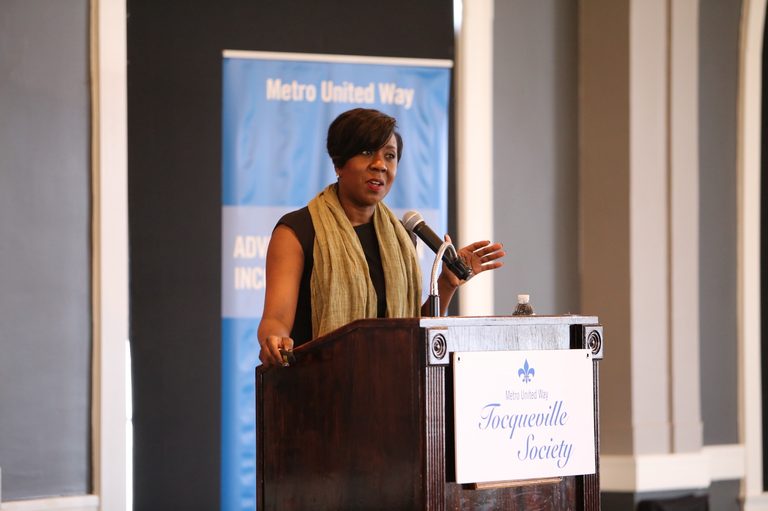
Atlanta’s expanding diversity is more than a demographic shift—it is an economic catalyst, according to Dr. Nikki R. Lanier, founder of Harper Slade Advisors. In a recent commentary, Lanier argues that local institutions must become “multicultural ready”—that is, they need to understand who is shaping the region’s economy and adjust talent, services and investment decisions accordingly.
What is multicultural readiness?
Lanier defines multicultural readiness as the ability to recognize changing community composition and to make informed choices about hiring, service delivery and growth. Drawing on her experience as a Federal Reserve regional executive and former chief human‑resources officer, she notes that organizations can either widen or narrow opportunity for emerging groups.
Atlanta’s demographic momentum
The Atlanta Regional Commission estimates that the 11‑county metro area added nearly 54,000 residents between April 2025 and April 2026. Much of that growth comes from immigrant entrepreneurs and multiracial, multilingual neighborhoods, especially along Buford Highway. Lanier says the city stands at an “inflection point” where leaders from City Hall to neighborhood planning units (NPUs) must decide how to welcome, hire, serve and invest in these new residents.
Atlanta Way 2.0’s three‑pillar approach
In a conversation with Atlanta Way 2.0 founders Maria Saporta and Brtiton Edwards, Lanier highlighted their pillars: “Connect. Collaborate. Convene.” Connecting means linking hospital patient‑access teams with community groups that know where families encounter barriers. Collaborating involves employers and technical colleges redesigning pathways to supervisory roles and tracking progress. Convening brings residents, frontline workers and entrepreneurs into decision‑making rooms early enough to shape outcomes.
Proposed recognition program
Lanier suggests Atlanta create an annual honor for institutions that demonstrate multicultural readiness. An award could recognize a small business that opened a new market, a health system that improved patient comprehension of discharge instructions, or a city agency that streamlined service applications for non‑English speakers. Such recognition would provide a benchmark for continuous improvement.
The Multicultural Maturity Framework
Harper Slade has developed a Multicultural Maturity Framework to help leaders assess where they stand. The framework asks four core questions: Where are people encountering barriers? Who has the authority to address them? What evidence would show a change worked? And how will progress be measured? Organizations can use the tool to generate a confidential scorecard, set improvement targets and compare results year over year.
Practical steps for local leaders
Lanier urges leaders to pick one upcoming decision—whether it involves hiring, purchasing, investment or service delivery—and ask three questions: Who will be affected? Whose experience have we heard directly? What will we measure after implementation? She also recommends joining Atlanta Way 2.0’s Activator Network, bringing the decision and a stakeholder into the conversation.
Why it matters for all Atlantans
When a bank refines its loan‑preparation process for small‑business owners, a procurement office can learn how to better prepare vendors. When a hospital improves patient communication, a city agency can apply the same lessons to emergency alerts. By sharing best practices, Atlanta can turn its multicultural fabric into a competitive advantage that other regions will seek to emulate.
For more information or to discuss how your organization can participate, Dr. Lanier invites readers to set up a meeting through her firm’s website.
Original reporting: SaportaReport — read the source article.