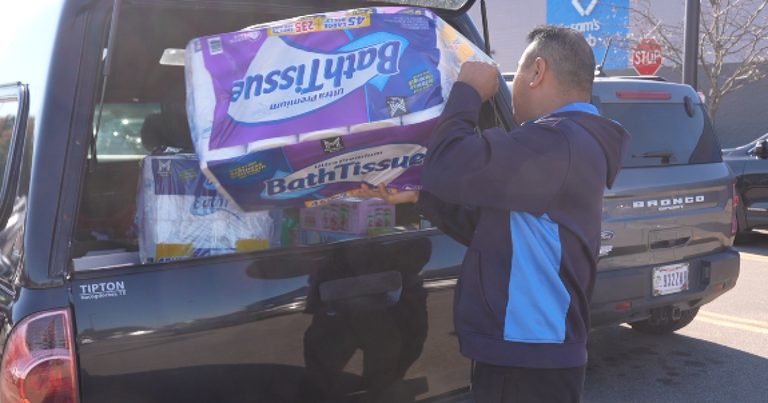
Across the United States, shoppers at Sam’s Club and Costco have been filling their carts with bottled water, toilet paper, paper towels and other household essentials. The surge follows a spate of recent technology and banking outages, from Microsoft Outlook glitches to temporary service interruptions at major banks.
Local shoppers cite recent outages as a reason to prepare
Juan Montanas, loading a pickup truck with cases of water, told reporters that recent outages convinced him it makes sense to be prepared. “We have to prepare for things coming in case they happen,” he said. Other shoppers echoed the sentiment, noting that hearing about ongoing disruptions prompted them to stock up.
Retailers report mixed inventory impacts
Some stores are reporting shortages of home generators, while Bloomberg News has noted a rise in sales of camping gear. Despite the heightened demand, many retailers still have ample supplies of most items.
Cyber‑security experts advise calm and basic preparedness
Dave Hatter, a cyber‑security specialist with Intrust IT Security, cautioned against panic buying. He pointed to long‑standing federal emergency‑preparedness guidance that recommends households keep basic supplies on hand for up to 72 hours of service disruption. “Ready.gov and FEMA have advised this for years,” Hatter said. “It doesn’t have to be a cyber‑attack or a ‘tinfoil‑hat’ scenario.”
Hatter also emphasized practical steps for financial resilience. He recommends printing a current paper record of bank account information, keeping a modest amount of cash at home for situations when cards or electronic payment systems are unavailable, and using a bank’s website as an alternative to a mobile app if the app experiences downtime.
Balancing preparedness with sensible spending
While having emergency supplies, batteries and a small cash reserve can be prudent, experts warn that overspending on items you may never need can strain family budgets. “Spending hundreds of dollars on supplies you probably won’t use is a case of ‘don’t waste your money,’” Hatter said.
Justin Knott, a shopper who purchased water but stopped short of becoming a full‑time prepper, summed up the sentiment: “I don’t buy into the hype. You can’t, you can’t do that, right?”
Overall, the consensus among authorities is that maintaining a modest stockpile of essentials for short‑term outages is sensible, but consumers should avoid excessive hoarding that drives up prices for everyone.
Original reporting: FOX 17 WXMI Grand Rapids (local) — read the source article.