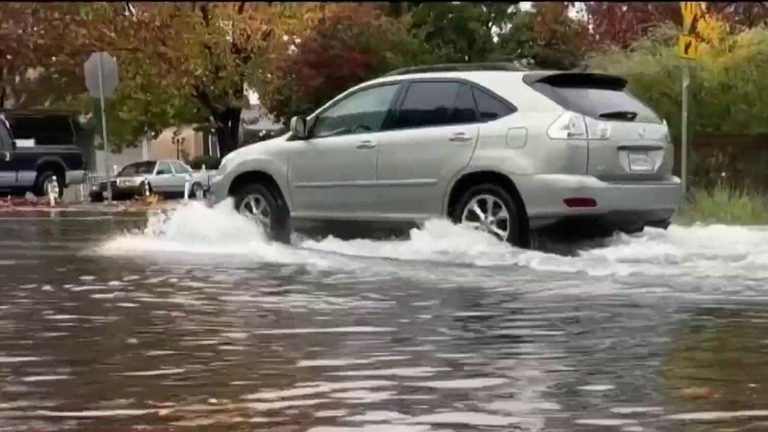
Recent heavy rains across South Florida have caused more than road closures and flooded homes; they have also disrupted septic tank systems for many homeowners. When floodwaters saturate the ground, septic tanks can shift, become buoyant, or fill with sediment, creating a risk of wastewater backup into living spaces.
EPA guidance on septic tank safety
The U.S. Environmental Protection Agency (EPA) warns that while the ground remains flooded or saturated, homeowners should not pump out their septic tanks. Pumping under these conditions can cause the tank to move or even rise out of the ground, damaging inlet and outlet pipes.
Reduce water use while the water table is high
Until the water level in the drain field drops below the surrounding ground level, the EPA recommends using as little water as possible inside the home. This eases pressure on the system and helps prevent further damage.
When to inspect your system
After floodwaters recede, if you suspect damage to your septic system, have it inspected by a qualified professional. Sediment and debris can accumulate in tanks and pump chambers during flooding, and only trained specialists should perform cleaning because dangerous gases can build up inside the tanks.
Additional precautions
Do not drive vehicles or operate heavy machinery over the drain field while the soil remains saturated. The weight can compact the ground, reducing its ability to treat wastewater and potentially causing system failure. Also, before restoring power, check all electrical connections for possible damage.
Well water safety
The EPA also advises against drinking water from private wells until the water has been tested. Homeowners should contact their local health department for guidance on testing and any necessary treatment.
Key takeaways
- Wait for floodwaters to recede before using the septic system.
- Limit household water use while the water table is high.
- Avoid pumping, driving over, or performing repairs on the system until the ground is dry.
- Have a licensed professional inspect and clean the system after flooding.
- Test well water before consumption and follow local health department advice.
Following these steps helps protect your family’s health and preserves the integrity of your septic system until normal conditions return.
Original reporting: NBC6 Miami — read the source article.