The New Haven Board of Alders’ Community Development Committee voted unanimously on Wednesday night to authorize the city to accept a state Community Investment Fund grant of up to $7 million and to apply for an additional $6 million from the state’s brownfield cleanup program. The resolution now moves to the full Board for final approval.
Funding targets critical roof and hazardous‑material cleanup
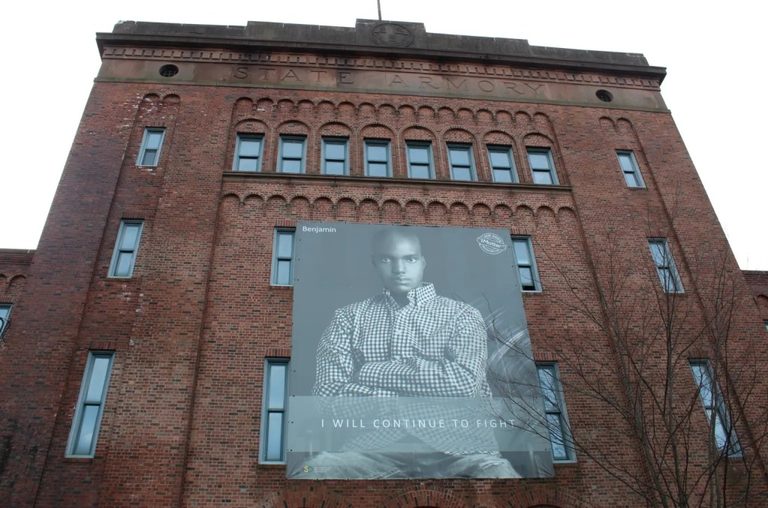
Economic Development Administrator Michael Piscitelli explained that the first portion of the money will go toward a new roof, which has allowed water damage to deteriorate the 155,000‑square‑foot armory for years. “There’s asbestos in the pipes,” he said, describing the “real challenge” of bringing the city‑owned building at 290 Goffe St. back to a state of good repair.
A prior $250,000 state planning grant covered a feasibility study, roof design and plans for removing hazardous materials. The pending $6 million brownfield grant would fund the removal of asbestos, lead‑based paint and other contaminants inside the structure.
Vision for a mixed‑use community hub
According to a September letter from Piscitelli to the board, the city plans to convert the armory into a mixed‑use hub. The proposal includes a 30,000‑square‑foot Community and Career Learning Hub offering career training for young people in healthcare, transportation and culinary arts, in partnership with New Haven Public Schools and Yale New Haven Health. The plan also calls for about 39 mixed‑income apartments and roughly 4,500 square feet of community space in the historic drill hall.
The learning hub is slated to open for the 2028–29 school year, providing local youth with pathways to well‑paying jobs and strengthening the city’s workforce pipeline.
Community support and historic significance
Long‑time residents and community leaders voiced strong support. “When you can talk ’til you’re blue in the face about the drill hall, people will not understand it until they walk through those doors,” said Fair Haven Alder Frank Redente, who spent time in the building in 2016.
Downtown/East Rock Alder Christine Kim called the project “the exact kind of project that the city should be behind,” adding that the armory is a “treasure in our city that unfortunately has become derelict” but now offers a chance to demonstrate how redevelopment should happen.
Armory Community Advisory Committee member Elihu Rubin emphasized the urgency of roof repairs, noting the structure has been damaged for “many, many years” and is long overdue for a fix. Beaver Hills Alder Gary Hogan, whose ward includes the armory, has also championed the effort to make the building safe for public access.
Grassroots roots keep the armory alive
Armory Community Garden founder Nadine Horton credited local residents for preserving the building. “If not for the Armory Community Garden… I don’t know if the armory would still be standing,” she said, adding that the city has become a collaborative partner after an initially reluctant start.
Horton hopes the renovated armory will eventually host year‑round gardening and an incubator for urban farmers, further tying the project to New Haven’s growing local‑food movement.
Next steps
The total cost of the redevelopment has not yet been determined, as the city must first put the work out to bid. City staff indicated additional funding will be needed to finish the interior fit‑out after the roof and hazardous‑material work are completed.
With the state grants secured and the board’s resolution pending, New Haven moves closer to turning a historic, vacant structure into a vibrant community asset that supports education, affordable housing and local heritage.
Original reporting: New Haven Independent — read the source article.