The Lewisville Lake Environmental Learning Area sits on about 2,000 acres of reclaimed floodplain, and on a rainy Tuesday in March, it is almost entirely yours. The parking lot off FM 407 holds maybe forty cars. There were three when I pulled in.
LLELA, as locals abbreviate it, runs a raptor program and an aquatic center that get most of the attention, but the trail system is the quiet backbone of the place. We’re talking roughly eight miles of marked paths threading through restored tallgrass prairie, bottomland forest, and wetlands that edge up against the Trinity River watershed. The signage is honest — no aggressive wayfinding, no Instagram-ready overlooks, just brown posts with mileage markers and the occasional interpretive panel explaining what a sycamore is doing here versus a cedar elm.
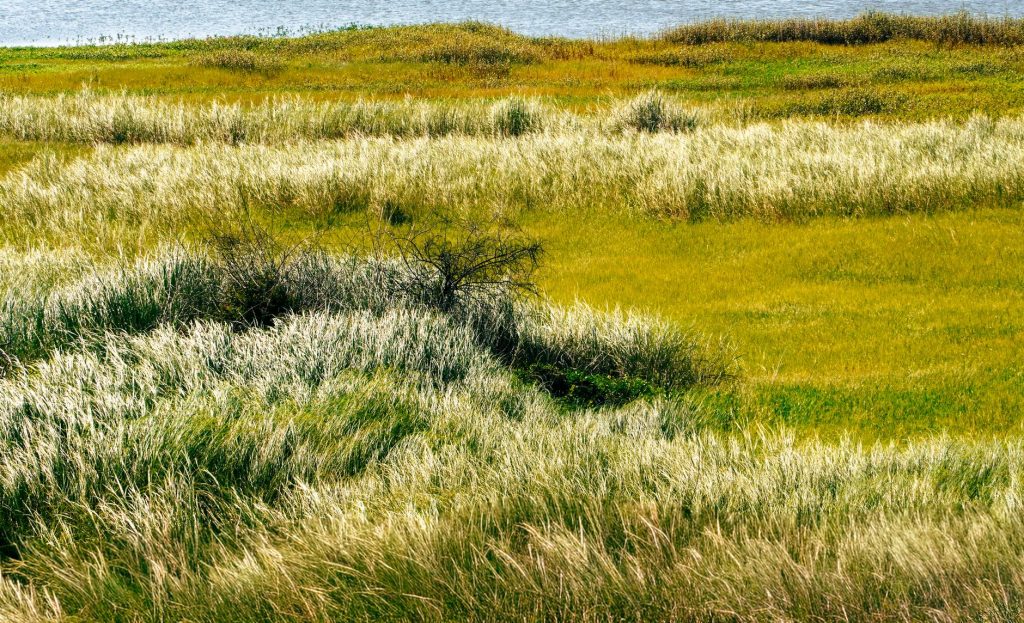
On a dry Saturday in spring the place draws birders, families with strollers on the flatter loops, and the occasional trail runner who takes a wrong turn into ankle-deep mud. On a weekday after rain it’s a completely different animal. The wetlands loop, which branches west from the main trailhead, turns properly atmospheric: standing water in the low spots, red-winged blackbirds working the cattails, the kind of gray sky that makes the green look almost aggressive. If you’ve grown up in North Texas, you know the terrain — creek-cut, wide-open, then suddenly dense with hackberry — and LLELA has a lot of it intact.
The entry fee is four dollars per adult, cash or card at the visitor center. Kids under twelve get in free. Hours run Tuesday through Sunday, 8 a.m. to 5 p.m., and they close the gate on time — ask me how I know. The visitor center staff are actual naturalists, not just ticket-takers, and if you ask what’s been moving through lately, they’ll tell you in specific, useful terms. Last visit: a great horned owl nesting near the bottomland trail and a surprising number of snipe flushed from the wetland edge.
Trail conditions matter here more than most places. The clay soil after rain becomes a different substance entirely — not dangerous, but boot-ruining if you show up in road shoes. The website doesn’t always update trail conditions promptly, so calling ahead on wet weeks is worth the thirty seconds. There’s also a mountain bike loop on the eastern side that’s separate from the hiking trails, which keeps the foot traffic cleaner than you’d expect for a free-range public land.
What makes LLELA worth the detour from anywhere in Denton County is not any single feature but the cumulative effect of a large piece of land managed with actual ecological intent. The prairie restoration is real — not a mowed field with a placard, but genuine bluestem and switchgrass coming back on its own schedule. In late April, the wildflowers in the upland sections run long enough that you can come back two weekends in a row and see something different.
It’s not dramatic terrain. If you need elevation or technical features, go elsewhere. But if you want two hours outside where you can hear something other than traffic and your own thoughts, Lewisville has quietly been keeping this place funded and mostly intact for thirty years. That’s the actual story.