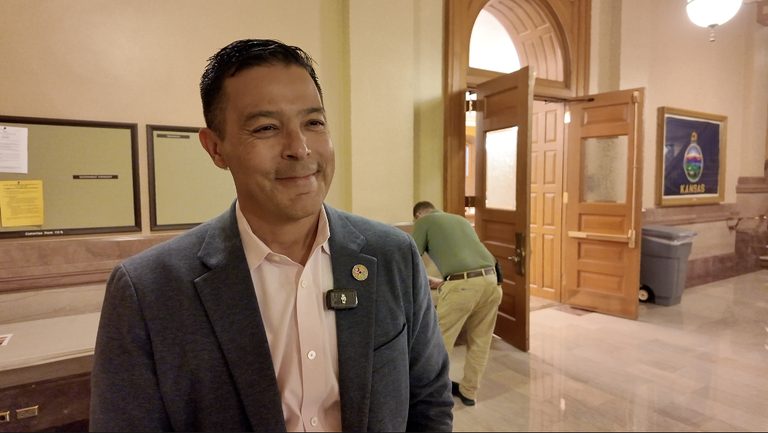
The Kansas Education Funding Task Force convened in Topeka this week, facing a January deadline to propose a new state school‑finance formula. More than 40 superintendents, including leaders from Johnson County, De Soto, Olathe, Shawnee Mission and Blue Valley, joined the discussion.
Models under review
Task‑force members examined dozens of potential formulas. While no single model emerged as a clear winner, many participants stressed the need for additional resources, especially for special‑education services. Some proposals would leave funding unchanged, while others suggested reductions that could cost the largest districts tens of millions of dollars.
Superintendent Mike Schumacher of Shawnee Mission warned that cuts could harm students in the state’s biggest metropolitan areas. “While it may be positive for smaller districts, we must not lose sight of the majority of kids in the state,” he said.
De Soto superintendent Cory Gibson, also a task‑force member, advocated for a “hold‑harmless” provision or supplemental funding to ensure no district loses resources under the new formula. “Anything that protects districts from losing funding has a more favorable outcome,” he explained.
Special‑education costs front and center
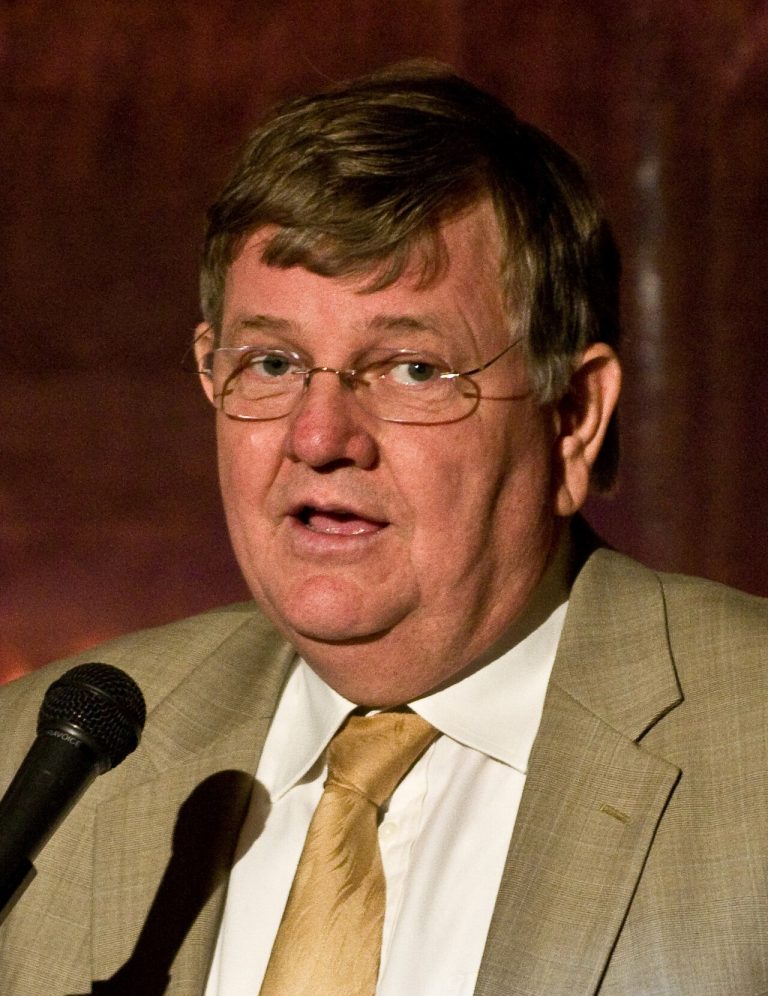
Frank Harwood, director of the Kansas State Department of Education, highlighted that Kansas school districts spent $1.3 billion on special‑education last year. He noted that the true cost of fully funding these services must be reflected in any new formula, whether the money comes from the state or local taxpayers.
Schumacher welcomed the focus on special‑education costs, calling the discussion “really positive.” He emphasized that accurate accounting of these expenses is essential for the state’s children.
Potential funding increases
Among the models presented, one stood out for proposing a $1.1 billion increase in state school funding—the largest boost seen at the meeting. Advocates argue that such an infusion could address both general and special‑education needs without forcing districts to cut programs.
Next steps
The task force will reconvene in December to refine its recommendations. By the end of that session, members are expected to vote on a final proposal to send to the Kansas Legislature in January.
Local educators and parents are watching closely, hoping the final formula will balance equity for smaller districts with the fiscal realities of larger, urban schools.
Original reporting: KSHB 41 Kansas City (local) — read the source article.