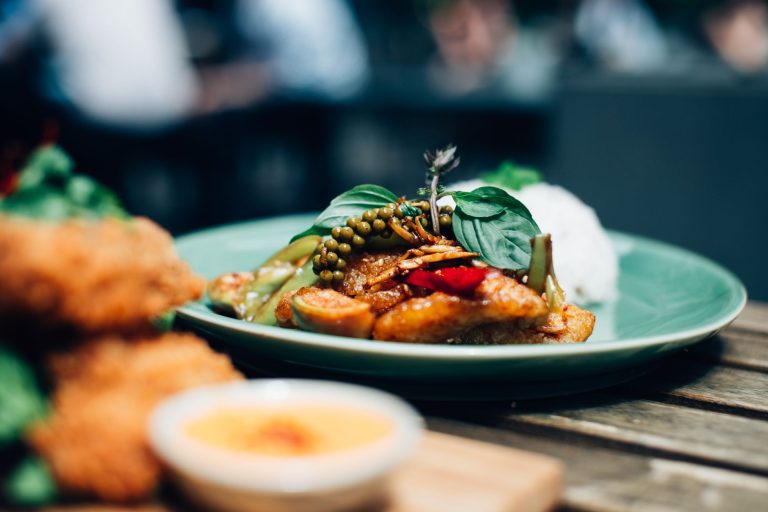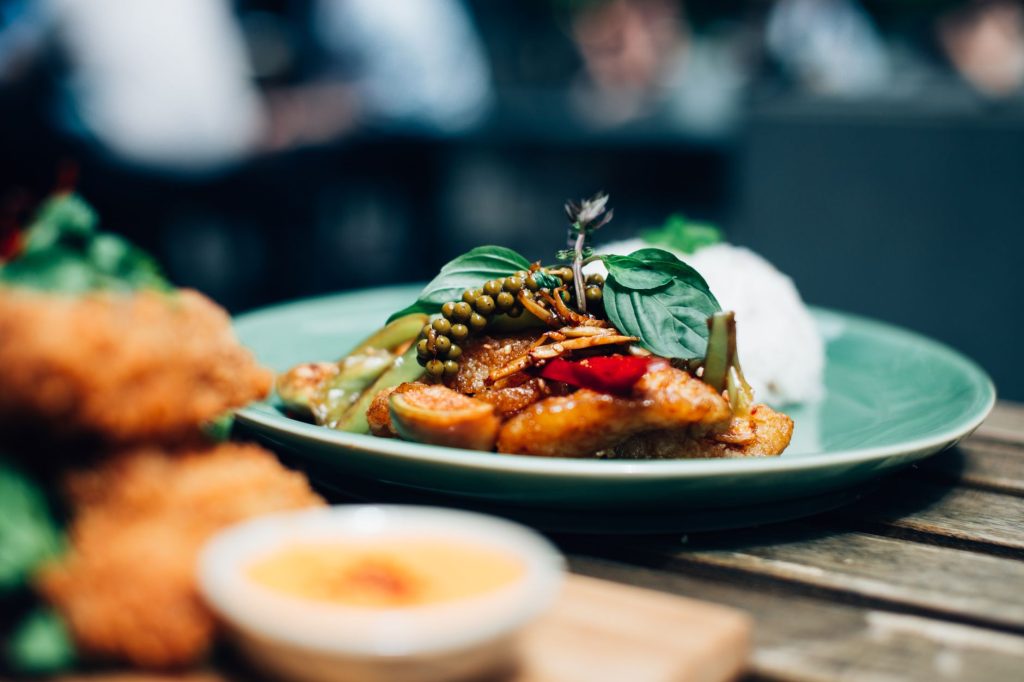
A bowl of tom kha arrives steaming at a corner table on Pleasantburg Drive, its surface shimmering with coconut milk and lemongrass oil, a curl of galangal barely visible beneath a cluster of mushrooms. The woman who carried it over does not wait for a reaction. She already knows.
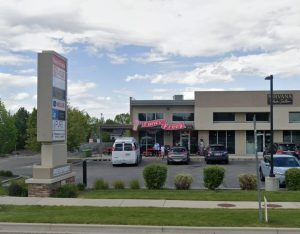
The Pink Pepper has been on this stretch of Pleasantburg for years, occupying a strip mall spot that most drivers pass without slowing. Inside, the room is modest — maybe fifteen tables, paper lanterns, a few framed prints of Thai temples — but the kitchen operates with a focus that larger, flashier restaurants rarely match. This is a family-run operation, and it shows in ways that matter: the sauces are made in-house, the spice levels are negotiated honestly rather than padded for a timid audience, and the staff knows the menu cold.
The pad see ew is worth coming for on its own. Wide rice noodles, charred at the edges from a wok running genuinely hot, folded with egg and Chinese broccoli and a protein of choice — the beef version is particularly good, with enough smokiness to suggest something close to real wok hei. It runs around twelve dollars, which feels entirely fair. The drunken noodles carry more heat and more complexity, and regulars tend to split their loyalty between the two.
The curries hold their own. The massaman is rich without being cloying — slow-cooked with potato and peanut, with a depth that suggests the paste was not opened from a jar. The green curry runs hotter than versions found at more tourist-facing spots downtown, and that honesty is part of the appeal. When the menu says medium, it means medium. When it says hot, diners should take that seriously.
Lunch draws a crowd of nearby office workers and regulars who eat here on a rotation. The lunch specials keep prices in the nine-to-eleven-dollar range and come with a small cup of soup and a spring roll. The spring rolls — fried, not fresh — are a minor pleasure: crisp, not greasy, with a sweet chili dipping sauce that disappears before the main course arrives.
The pink milk tea deserves mention. It is sweet and cold and deeply colored, the kind of drink that earns its own following. On a hot Upstate afternoon, it makes an argument for itself without much effort.
Evenings are quieter, with a slightly more relaxed pace. The staff has time to talk through the menu, and it is worth asking what is fresh that week. Occasionally the kitchen will run a special — a whole fish preparation, a seasonal soup — that does not appear on the printed menu at all.
Parking is easy. The neighborhood is not glamorous. None of that matters once the food arrives. The Pink Pepper earns its regulars the old-fashioned way: by cooking well and not inflating expectations it cannot meet.