The first thing you notice is the sound — or rather, the absence of it. Stand at the top of one of the Tandy Hills ridges on a weekday morning and you can hear the wind moving through the bluestem grass before you hear a single car. That’s unusual for a place sitting just a few miles east of downtown Fort Worth and within easy reach of Grand Prairie’s eastern edge.
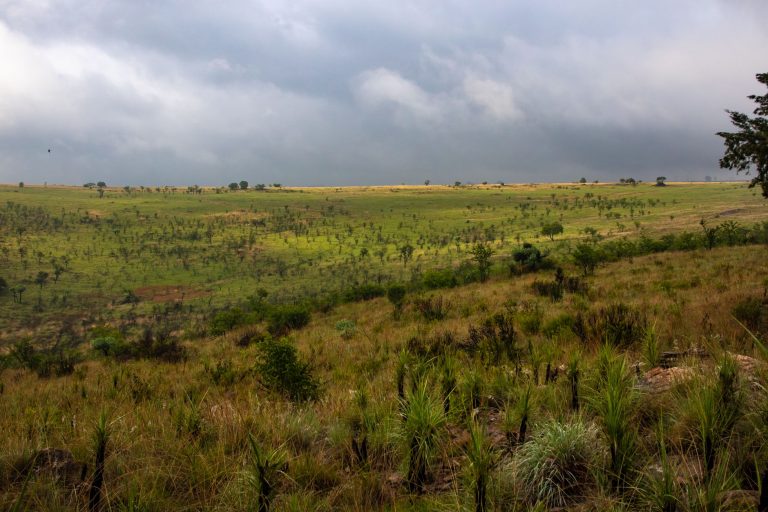
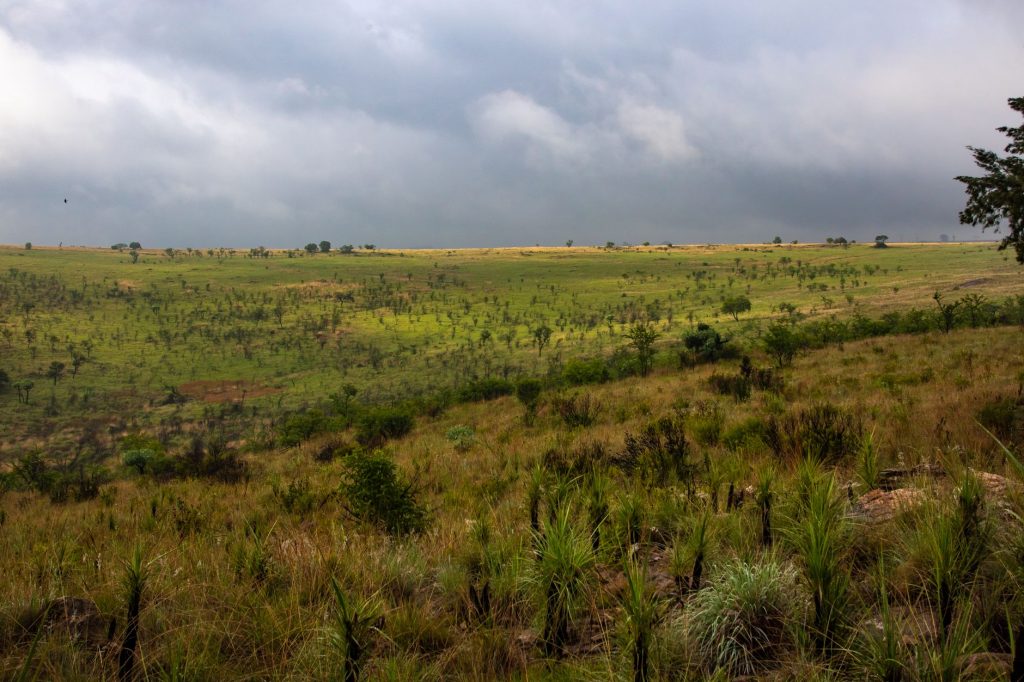
Tandy Hills Natural Area covers about 160 acres of some of the most intact native tallgrass prairie left in Tarrant County. This isn’t a manicured greenway with paved loops and interpretive signs every twenty feet. The trails here are worn earthen paths — some clearly marked, some that require a little attention to follow — winding across open ridges and down into brushy ravines. You’ll want real shoes, not sandals. The terrain rolls more than you’d expect this close to the Metroplex, and in wet weather the clay soil sticks to everything.
Spring is the season most regulars point to without hesitation. From late March through May, the hills flush with wildflowers — Indian paintbrush, spiderwort, prairie bluets, and stands of Maximilian sunflower that come back thicker every year. The Friends of Tandy Hills host a Prairie Fest each spring, usually in April, that draws native plant enthusiasts and families alongside serious birders. It’s free, low-key, and genuinely educational without being preachy about it.
Speaking of birds: if you carry binoculars anywhere near a field in spring migration, bring them here. The open grassland and edge habitat attract species you won’t find in the typical urban park — scissor-tailed flycatchers perched on fence lines, painted buntings if you’re patient, dickcissels calling from the tall grass. The eBird checklist for this site runs well over 150 species logged by regulars over the years.
The main trailhead sits off View Street near Samuels Avenue — GPS it rather than relying on street signage, because the entrance is easy to miss on a first visit. Parking is free and the area is open from sunrise to sunset. There’s no entry fee. Bring water; there are no facilities on-site. The longest loop you can string together from the established paths runs maybe two and a half miles, though you can extend a visit considerably by slowing down and spending time on the ridgelines.
What makes Tandy Hills worth a specific trip rather than a passing mention is how rare the landscape actually is. Something like 99 percent of original Texas blackland and tallgrass prairie has been converted or degraded. What’s here is real remnant habitat, not restored seed mix on former parking lot — and you can feel the difference when you’re standing in it. The grasses grow tall and tangled the way they’re supposed to. The soil crunches underfoot in summer. It doesn’t look like a park. It looks like what this whole region looked like before it became a city.
If you’re coming from central Grand Prairie, the drive east takes about fifteen minutes. Pair it with a stop at one of the Fort Worth stockyards restaurants on the way back, or just go early, walk the ridges while the light is still low, and head home before the heat sets in. Either way, it earns a morning.