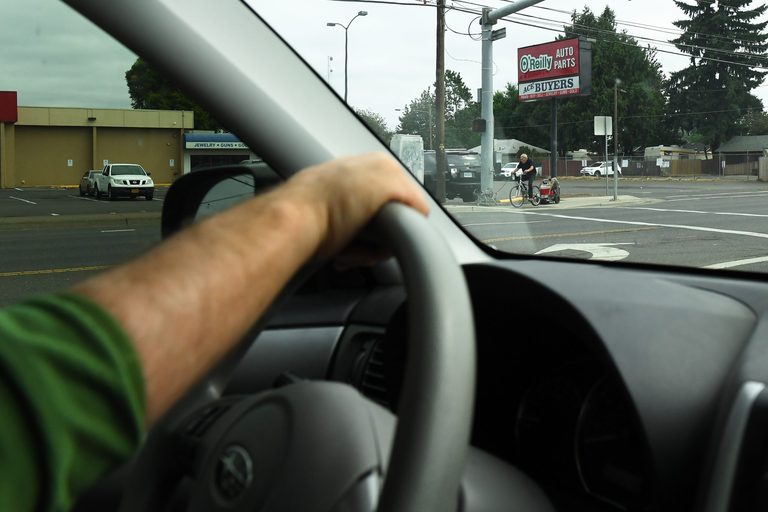
At a Wednesday work session, Eugene City Council members discussed a proposal to spend more than $500,000 on an intersection safety camera pilot. The program, outlined by transportation planner Logan Telles, would install sensors and cameras at three to five of the city’s most dangerous intersections. The sensors would detect vehicles that run red lights or exceed the speed limit by at least 11 mph, triggering a camera to capture a photo and a short video of the violation.
Funding and Timeline
The estimated cost of $500,000 to $600,000 would cover staffing, signage, and the initial hardware. Councilors are expected to vote on allocating the funds in the upcoming January 27 work session, which would allow the city to begin implementation within 12 to 18 months, meaning the cameras likely would not be operational until 2028.
Revenue Model
Telles emphasized that once the pilot is running, revenue from traffic citations is projected to cover the program’s annual operating costs. This self‑sustaining model is intended to relieve the city’s $5.1 million projected budget gap for the next fiscal year.
Operational Details
Under the pilot, the cameras would focus solely on motorized vehicles; bicycles would be excluded. Data collected would be reviewed by a city traffic enforcement agent who would determine whether to issue a citation. These agents would operate under the Eugene Police Department, though they may not be sworn officers, a detail that could require a minor city code adjustment.
Privacy Safeguards
In response to councilors’ concerns about privacy, Telles distinguished the proposed system from the automated license‑plate reader cameras previously used by Flock Safety, which the city retired after privacy controversies. He assured that the new cameras would undergo a comprehensive software review and cybersecurity approval process, and that the city would retain flexibility over data‑retention periods.
Community Input
A public survey on the intersection safety cameras has already gathered more than 1,300 responses, indicating strong community interest. Councilors will also discuss a broader citywide policy on surveillance technology on Dec. 9, which will set the framework for evaluating this and future projects.
Next Steps
If approved, the city will contract with a vendor to provide and operate the camera system through Eugene’s procurement process. The vendor would be responsible for cleaning the data, removing unusable images, and uploading evidence packages to a city‑facing software portal for review.
Public Works Public Affairs Manager Marion Suitor noted that the budget allocation is a significant hurdle given competing priorities, but many council members expressed interest in moving forward with the safety initiative.
Original reporting: Homepage – Lookout Eugene-Springfield — read the source article.