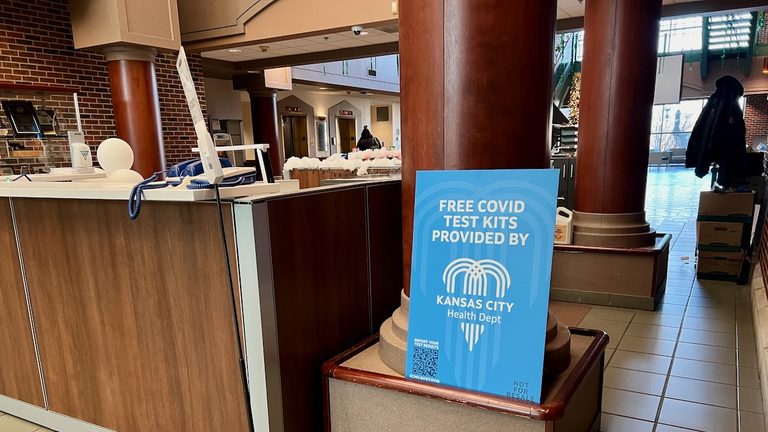
Kansas City’s Health Department announced that it will issue a formal request for proposals next month, reopening the competitive bidding process for the city’s health levy fund for fiscal year 2029. The move follows a City Council resolution adopted in October that seeks to allocate approximately $30 million to safety‑net providers serving uninsured and underinsured residents.
According to The Beacon News, the current safety‑net providers—University Health, Children’s Mercy, Swope Health, Samuel U. Rodgers Health Center, KC Care, and Northland Health Care Access—will continue receiving funding for fiscal year 2028, which begins on May 1. However, the new bidding round will allow additional clinics to submit proposals, giving the department a clearer picture of health services across the city’s expanding north and south sides.
Health Director Marvia Jones explained that the city’s demographics have shifted dramatically since the health levy program began over 35 years ago. “When this started, most of our population was focused in the core part of the city. Now you’ve seen a huge migration northward and also southward,” Jones said. She added that the new process could uncover “other clinics we’re unaware of serving areas that are underserved in our city.”
Stakeholders emphasized the need for data‑driven criteria. KC Care CEO Wil Franklin said his organization “welcomes any fair, competitive arrangement where recipients of safety‑net healthcare are best served,” and urged the department to require “pre‑determined performance data” and proof of a “sustainable business model.” Franklin noted that KC Care spends more than twice as much on caring for patients eligible for health levy dollars as it receives from the fund.
Several non‑contracted providers—Care Beyond the Boulevard, Mattie Rhodes, Hope Family Care Center, and Seton Center—responded to last year’s request for proposals and plan to apply again. Seton Center CEO Stacy Mayer said, “Offering medical services while maintaining excellence is expensive… every dollar counts.”
The upcoming contracts will introduce new accountability requirements. Jones said providers must detail how many patients they can serve, where care will be offered, and the specific illnesses treated, down to ZIP‑code level. This data will replace the city’s reliance on outdated federal health statistics, which Jones described as “shooting in the dark.” The resolution also shifts funding from regular interval payments to a reimbursement‑based model, requiring providers to bill for services after they are delivered.
Bob Theis, chief executive of Samuel U. Rodgers Health Center, welcomed the emphasis on reporting, noting that federally designated clinics already track detailed information for the federal government, providing a “consistent basis for the data we share with the city.”
The City Council’s resolution also opens the $400,000 health levy innovation fund—previously set aside for new programs—for direct patient‑care use, giving preference to providers not already receiving health levy funding.
What’s next: The Health Department will publish the formal request for proposals next month. Interested providers have until the deadline specified in that notice to submit their applications. The department will evaluate proposals based on performance data, sustainability, and geographic need before awarding contracts for fiscal year 2029, which begins on May 1, 2029.
Sources: thebeaconnews.org