Fort Worth police chief Eddie García signed a comprehensive privacy and use policy for the department’s Flock license‑plate reader cameras on Sept. 11, a move city council members say is crucial for protecting residents’ civil liberties while preserving a powerful investigative tool.
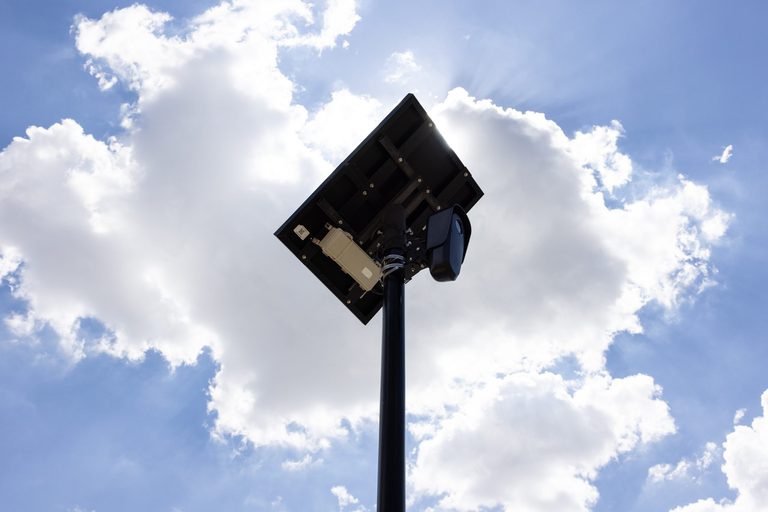
According to the Fort Worth Report, the city operates 819 Flock cameras—513 mounted in patrol cars and 306 at fixed locations. Districts 11 and 3 in Riverside and west Fort Worth host the most units, with 65 and 62 cameras respectively, while far‑north District 10 has only five.
The policy, which García presented to council, defines authorized uses such as criminal investigations, active warrants, missing‑person cases, stolen‑vehicle alerts, Amber and Silver alerts, and immediate threats to public safety. Prohibited uses include personal searches, bias‑based inquiries, investigations in “sensitive areas” like clinics, places of worship or political gatherings without a criminal predicate, and any “gaming the system” activity.
To access the system, officers must have reasonable suspicion tied to a specific vehicle, plate or location, document a case code, limit the scope of the search, and log the request in the case file. All searches are tied to a single user, logged, and subject to monthly random audits of 100 searches plus audits of every emergency or “blank reason” query. The system flags unusual patterns—such as repeatedly searching the same plate—and can lock out users pending review. Violations may result in termination and possible criminal charges.
Since 2020, the department reports that Flock cameras have contributed to more than 2,200 arrests, aiding investigations of four homicides, three robberies, two missing‑person cases, and a stolen vehicle and weapon. Firearms were recovered in four of those incidents. García emphasized that the cameras capture still images of plates, vehicle color, make, body style and visible accessories, providing details that witnesses often cannot recall.
Under the new policy, data is retained for 30 days in encrypted online storage, and access is suspended for officers undergoing training, certification, or reassignment. Partner agencies with authorized access are subject to the same safeguards. The department will launch a public transparency portal later this year, provide quarterly audit reports, and work with an independent auditor for an annual review presented to city council.
What’s next: Fort Worth plans to unveil the transparency portal in the coming months, allowing residents to view audit summaries and search logs. Quarterly audits will be reported to council, and the department will continue monthly reviews to address any anomalies flagged by the audit tools.
Sources: fortworthreport.org