By eight-thirty on a Saturday morning in January, the parking lot off East Second Street is already half full. Inside the building, vendors are still arranging jars and folding tablecloths, but shoppers have been wandering since the doors opened. That’s how it goes at Casper’s indoor winter market — people show up early, coffee in hand, moving slowly between tables piled with canned goods, wool socks, sourdough loaves, and watercolor prints of Wyoming landscapes.
The market runs through the colder months when the outdoor summer version goes dormant. It rotates between a couple of venues depending on the season, but the indoor version tends to land at a community hall or similar space on the east side — check the Oil City Farmers Market Facebook page before you go, because dates and locations do shift. Saturdays, typically nine to noon. Admission is free.
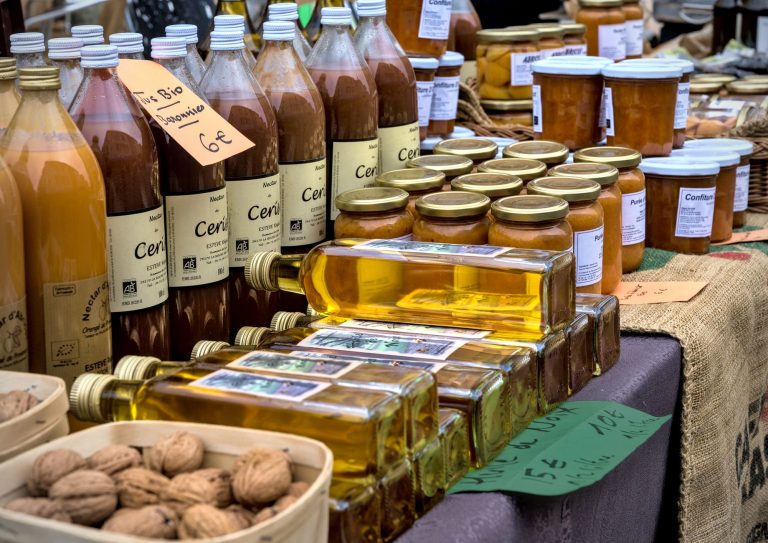
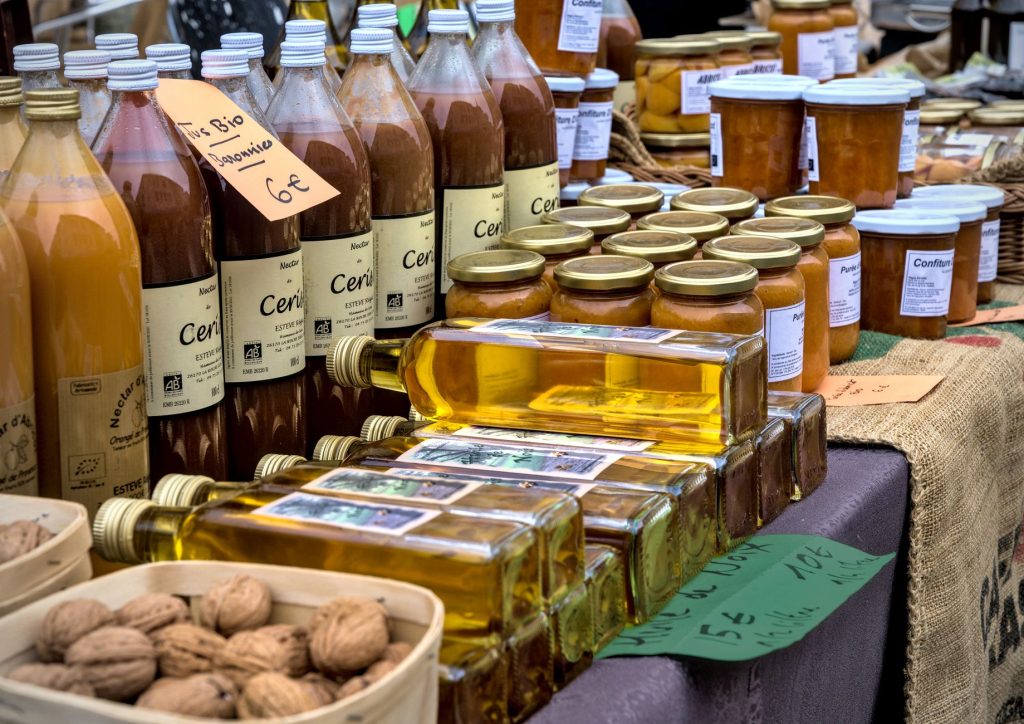
What makes it worth your time isn’t any single vendor — it’s the density of local production in one room. You’ll find a beekeeper from outside of Glenrock selling raw honey in four sizes, a woman who raises heritage pigs and brings frozen cuts and house-made sausage, a retired schoolteacher selling sourdough that she’s been perfecting for about twelve years. There’s usually a soap maker or two, someone selling hand-dyed yarn, and at least one vendor with greenhouse tomatoes in February, which feels almost miraculous in Wyoming.
The food vendors are where most people linger longest. Hot breakfast items — breakfast burritos, biscuits with gravy, sometimes kolaches depending on who’s set up that week — circulate near the entrance. Prices are market-price reasonable: a dozen eggs from pastured hens runs five to seven dollars, a good-sized sourdough loaf around eight, a jar of raw honey maybe twelve. Nothing is cheap in the sense of being industrial, but nothing feels gouged either.
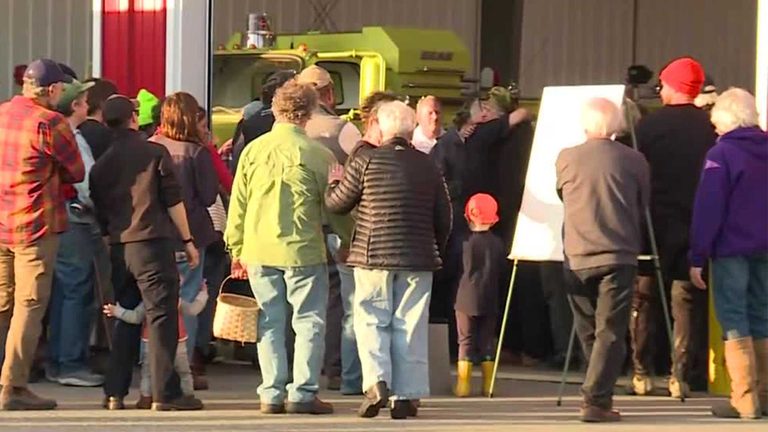
The crowd skews local in a way that’s worth noting. You’ll see ranchers in Carhartt alongside younger families, retired couples who come every week, a handful of people who clearly drove in from Douglas or Glenrock. Vendors know their regulars by name. That part isn’t performed — it’s just what happens when the same people sell to the same town all winter.
If you’ve never been, go on a cold morning when you have nowhere to be until noon. The pace is slow and nobody is rushing you. Pick up a breakfast burrito near the door, work your way around the perimeter, and decide by the end whether you need a pound of ground bison or a jar of chokecherry jelly. You probably need both. The jelly in particular — from a vendor who wildcrafts the berries herself in late summer — is the kind of thing you’ll finish and immediately regret not having bought two of.
It’s not a large market. On a good Saturday there might be twenty or twenty-five vendors. But the scale is part of what works — you can actually talk to the person who made what you’re buying, ask how the pigs are doing or when the next bread bake is scheduled. That kind of transaction is rarer than it used to be, and Casper’s indoor market has held onto it without making a big deal about doing so.