The Oregon Department of Transportation (ODOT) announced that the state’s highway fund revenue fell by $32 million, or 2.4%, for the period January through September compared with the same timeframe last year. The decline is directly linked to reduced collections from the state’s gas tax and a decrease in vehicle‑registration fees processed by the Department of Motor Vehicles.
Budget implications for the next cycle
Because of the revenue shortfall, ODOT now projects a $240 million gap in its budget for the 2027‑2029 biennium, up from the $200 million shortfall it had anticipated earlier. The agency warns that the deficit could force additional job cuts and a reduction of $40 million in funding that currently supports cities and counties. Local officials fear the cuts may lead to deteriorating road conditions, longer travel delays, and possible road closures.
Governor’s transportation workgroup to address the issue
Governor Tina Kotek’s transportation workgroup will hold its seventh public meeting on Thursday to discuss the state’s infrastructure challenges. The workgroup’s agenda includes a review of Oregon’s roads, bridges, and public‑transit systems, as well as an examination of transportation‑funding mechanisms and future investment strategies. Participants are expected to develop recommendations aimed at creating a safer, more reliable, and affordable transportation network. Final recommendations are slated for release by the end of the year.
What the numbers mean for Oregonians
Lower gas‑tax revenue typically reflects reduced vehicle travel, which can be a sign of changing commuter patterns or higher fuel efficiency among newer vehicles. However, the simultaneous dip in DMV fees suggests fewer new vehicle registrations and possibly a slowdown in vehicle purchases. Both trends combine to shrink the pool of funds that ODOT relies on for maintaining and improving the state’s transportation infrastructure.
Local impact and community response
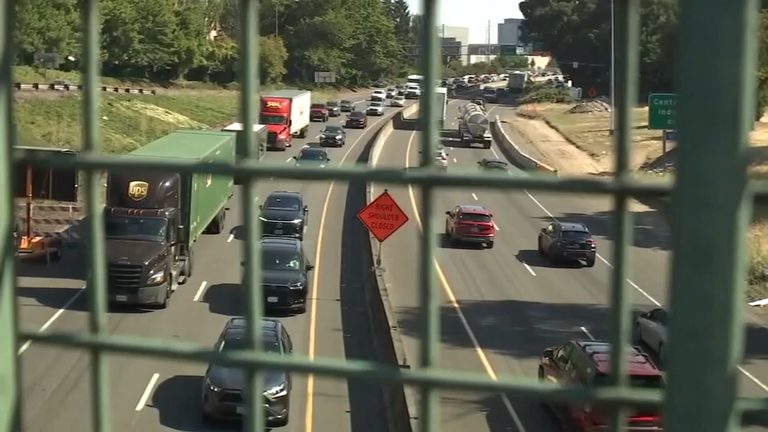
County and city leaders have expressed concern that the projected $40 million cut to local funding could strain municipal road‑maintenance programs. Rural communities, which often depend on state assistance for bridge repairs and road resurfacing, may see longer wait times for critical projects. Urban areas, already grappling with congestion, could experience heightened traffic delays if roadwork is delayed or scaled back.
Looking ahead
ODOT officials emphasize that the workgroup’s recommendations will explore a range of options, including potential adjustments to the gas tax, alternative fee structures, and strategic prioritization of high‑impact projects. While the shortfall presents a fiscal challenge, state leaders remain committed to preserving the integrity of Oregon’s transportation system for families, businesses, and commuters across the state.
Original reporting: KPTV FOX 12 Portland (news) — read the source article.