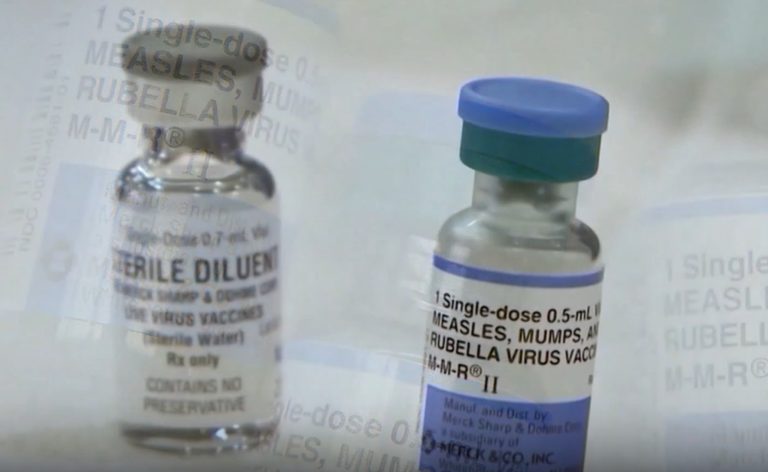
In response to a sharp rise in measles cases across Ohio, Cincinnati’s Health Department is urging families and individuals to locate their measles vaccination records. Dr. Grant Mussman, the city’s health commissioner, highlighted that the state has documented 328 measles cases so far in 2026, a dramatic increase from the 45 cases reported in 2025.
Why proof of vaccination matters
Dr. Mussman explained that Ohio law requires a 21‑day quarantine for anyone who has been exposed to measles and cannot provide evidence of immunity. “If you really can’t get one, it’s not a big deal to get another vaccine. That’s what I did, actually, because I couldn’t initially dig up my old records from 1975,” he said, emphasizing that a booster dose is a simple solution for those lacking documentation.
No statewide record system
Ohio currently lacks a uniform, statewide immunization record database. The health commissioner noted that older school records or employer files often contain the needed information, and he encouraged residents to contact former schools or workplaces to retrieve missing paperwork.
Focus on schools
Concern is especially high for local schools, where measles can spread quickly among children. To prepare, Dr. Mussman and his team recently conducted a tabletop exercise with leaders from Cincinnati Public Schools. The simulation explored options for setting up vaccine clinics on school grounds and addressed logistical challenges such as staffing, consent forms, and communication with parents.
What parents can do now
- Search for any existing vaccination cards, school health records, or employer health files.
- Contact the Cincinnati Health Department at (513) XXX‑XXXX for guidance on obtaining a new dose if records cannot be found.
- Stay informed about upcoming vaccine clinic dates announced by the health department or local schools.
- Encourage other family members to verify their immunization status, especially those who travel or have frequent contact with children.
Dr. Mussman stressed that measles is highly contagious but preventable through vaccination. By ensuring that every resident can prove immunity—or receive a quick booster—Cincinnati can help protect its schools and broader community from further outbreaks.
Statewide context
The surge in Ohio mirrors a national trend after the United States lost its measles elimination status earlier this year. Health officials across the country are urging similar verification efforts, but Cincinnati’s proactive approach—combining record‑retrieval assistance with school‑based clinic planning—offers a model for other municipalities facing the same challenge.
For more information, residents can visit the Cincinnati Health Department’s website or call the dedicated measles‑response hotline.
Original reporting: WLWT Cincinnati — read the source article.