On a Tuesday afternoon, the dining room on Millbury Street is barely half full, and Maria Suarez is already in the kitchen, pressing masa into corn husks by hand. She’s been doing this since she opened El Rincón Hispano in the early 2000s, and the rhythm of it is automatic — the same masa consistency her mother used in Oaxaca, the same dried chile she sources from a supplier in Holyoke because the ones at the local grocery stores don’t taste right to her.
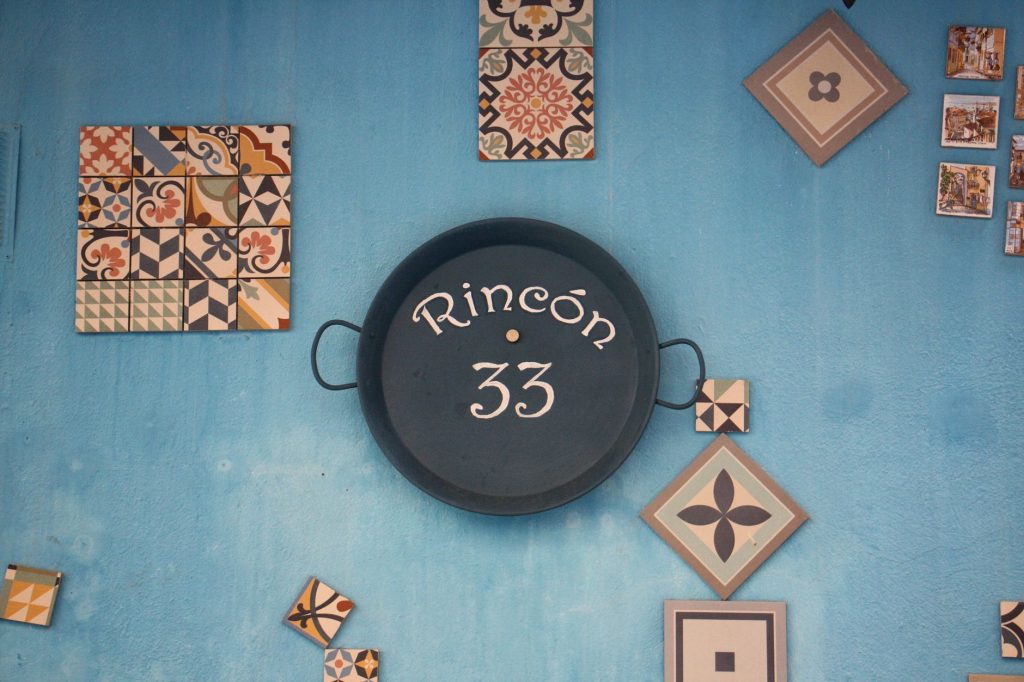
El Rincón Hispano sits on a stretch of Millbury Street that runs through the lower Main South neighborhood, not far from where the highway comes through and the city starts to feel less curated. The building is small, with hand-painted signage and a few tables covered in plastic tablecloths printed with flowers. It doesn’t look like much from the sidewalk. Inside, the walls hold framed photographs — family, mostly, plus a few Mexican calendar prints — and the smell of dried chiles toasting hits before the door fully closes.
Maria does most of the cooking herself, with her daughter helping on weekends when the room fills up with families who’ve been coming in since the kids were small. Her son handles the counter when she’s buried in prep. The whole operation is tight, almost self-contained, and it runs on a kind of stubborn consistency that’s rare anywhere.
The tamales are what people drive for. They come wrapped in the husk, masa dense but not dry, filled with either pork in red mole or a quieter chicken verde version for those who want less heat. Maria makes them in batches, and on a busy Saturday they sell out before two in the afternoon. Calling ahead is not optional if tamales are the goal.
The mole negro is the other thing worth understanding. It’s dark, faintly bitter, and built on a base that takes the better part of two days — multiple chiles, a little chocolate, spices that Maria won’t specify. It comes over chicken, usually served with rice and black beans cooked with epazote. The plate costs around fourteen dollars. It’s not a small portion.
The menu also runs to enchiladas, chiles rellenos, and a weekend-only pozole that’s been known to clear out quickly. The agua fresca changes with what fruit Maria finds at the market that week. Horchata is always available. There’s no bar, but the agua fresca on a hot afternoon doesn’t make you miss one.
Lunch runs from about eleven to three. Dinner is served Thursday through Saturday, closing around eight or eight-thirty depending on the crowd. Cash is preferred and probably safer to bring; there’s an ATM nearby if needed. Parking on Millbury Street is usually fine in the afternoon.
What Maria Suarez has built over two decades is not a destination in the way that word usually gets used. It’s a working restaurant for a neighborhood that needed one, run by someone who learned to cook from her mother and hasn’t seen a reason to drift far from that. The tamales are proof of something that doesn’t require much more explanation than that.