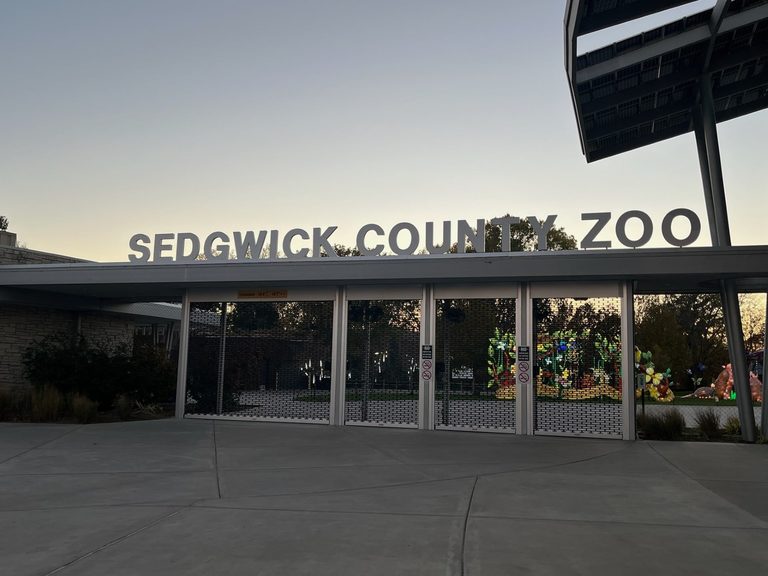
WICHITA, Kansas – The Sedgwick County Zoo is entering a critical planning phase for its next five‑year funding agreement with the county. Faced with rising operating costs and a recent decline in visitor numbers, zoo officials are seeking ways to keep admission affordable without raising ticket prices.
Current pricing and attendance challenges
Admission currently stands at $33 for adults and $28 for children under 12 when purchased at the gate, with online discounts of $5 per ticket. Zoo CEO Scott Newland said the drop in attendance this year is largely due to unusually hot summer temperatures and increased competition from other leisure activities.
“I think we are at a point where we are going to have to have deep conversations about what the future of the zoo looks like,” Newland said. “Our admission keeps me up at night. I do not like our price point.” He added that the zoo is taking a conservative approach to next year’s budget to avoid another price increase.
Proposal to shift funding to a sales tax
County Commissioner Jim Howell suggested that moving the zoo’s funding from property taxes to a modest sales tax could ease the burden on homeowners and potentially lower gate fees. “I hate property taxes. I think most people out there hate property taxes,” Howell said. “I did some calculations and found out that about 12 and a half cents of sales tax on $100 worth of spending would reduce our mill levy by about 1.25 mills property tax and lower the fees at the gate to nearly zero, maybe even free.”
Under Howell’s proposal, a 0.125% sales‑tax increment would be collected on local purchases, redirecting revenue to the zoo’s operating budget. This approach aligns with the county’s existing reliance on property taxes for zoo support while offering a potential path to reduce or eliminate admission costs for families.
Community response
Local residents expressed support for the idea. Wichita resident Betsy Morss said the zoo is an important community draw and that many families might struggle with the current $33 price tag. “I think it’s a big draw for the community. Some people might not be able to afford the 33,” Morss said.
The discussion comes as the zoo evaluates its long‑term financial health. By exploring a sales‑tax model, officials hope to preserve the zoo’s role as an educational and recreational asset while respecting the financial concerns of property owners.
Next steps
The county commission is expected to review the proposal at its upcoming meeting. If approved, the sales‑tax amendment would be placed on the ballot for voter consideration, giving Kansans a direct voice in the decision.
Stakeholders agree that maintaining affordable access to the zoo supports families, encourages community engagement, and upholds the tradition of providing quality educational experiences for children and adults alike.
Original reporting: KWCH 12 (Gray) – local — read the source article.