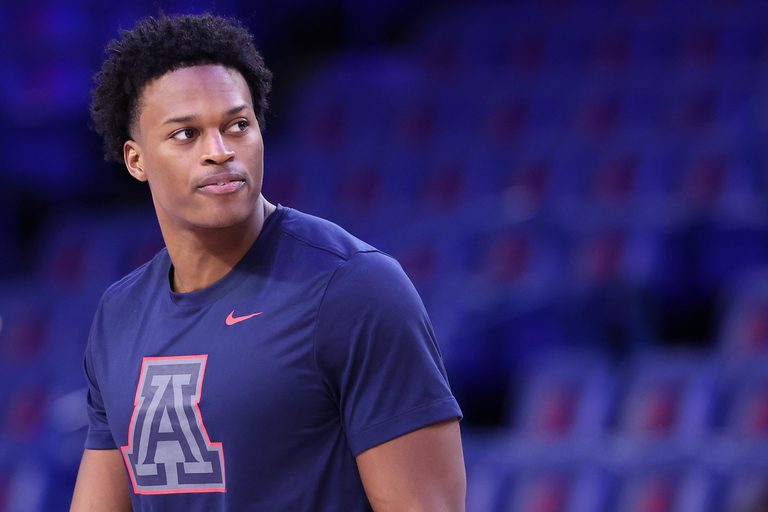
Arizona fans will have to wait longer to see RJ Godfrey suit up for the Wildcats. On Tuesday, a Pima County judge issued a temporary restraining order and preliminary injunction ordering the Arizona Board of Regents (ABOR) and the NCAA to certify Godfrey’s eligibility. While ABOR complied almost immediately, the NCAA sent a refusal letter on Wednesday, citing an ongoing lawsuit in Georgia where Godfrey remains a plaintiff.
Legal background
Godfrey, a top recruit who signed with Arizona after a court‑ordered injunction in Georgia, is also the lead plaintiff in that Georgia case. The NCAA appealed the Georgia ruling and secured a stay, meaning the injunction does not automatically apply to its eligibility decisions. In addition, Godfrey attempted to withdraw from the Georgia case and join a separate suit in Texas, but a Texas judge denied that request, prompting Godfrey to file a new lawsuit in Arizona against the Arizona Board of Regents for breach of contract.
During an evidentiary hearing on Tuesday, Godfrey, teammates Derek Dixon and Ivan Kharchenkov, and head coach Tommy Lloyd testified. Judge Jeffrey Bergin issued the restraining order and injunction, directing both ABOR and the NCAA to certify Godfrey’s eligibility. ABOR acted promptly, but the NCAA’s response on Wednesday reiterated that the pending Georgia litigation prevents certification.
NCAA’s rationale
The NCAA’s letter to the university referenced the active Georgia case as the basis for its refusal. It also noted that the organization had previously won a related case in Pima County brought by UA football players Max Harris and Ismail Mahdi, represented by the same attorneys defending Godfrey. The letter warned the university that allowing Godfrey to compete would be done “at its own risk.”
Next steps
Godfrey’s attorneys, Ryan Downton and Ali Farhang, plan to ask Judge Bergin to hold the NCAA in contempt for defying the court order. If the court finds the NCAA in contempt, it could face sanctions or be compelled to certify the player’s eligibility.
The Wildcats are slated to face No. 3 UConn on Wednesday night. Without Godfrey, the team will rely on its existing roster, though the loss of a potential impact player could affect depth and strategic options for the high‑profile matchup.
Implications for Arizona basketball
The eligibility dispute highlights the complex interplay between collegiate athletics, the courts, and the NCAA’s governance structure. For Arizona supporters, the situation underscores the importance of legal advocacy in protecting student‑athlete rights and ensuring that promising talent can contribute on the court.
Fans and local media will be watching closely as the legal battle unfolds, hoping for a resolution that allows Godfrey to join his teammates and help the Wildcats compete at the highest level.
Original reporting: Arizona Desert Swarm (Tucson Sports) — read the source article.