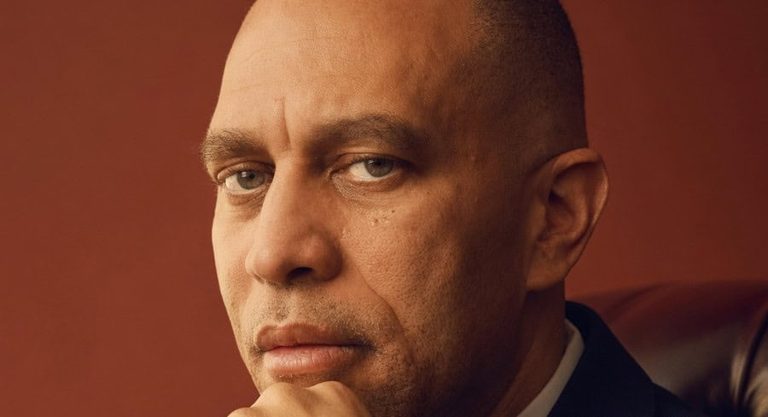
In a recent policy briefing, House Democratic Leader Hakeem Jeffries outlined an ambitious plan to broaden the federal Medicare program. While the proposal does not name a specific new eligibility age, it calls for lowering the current threshold so that younger adults could join the program, and for automatic enrollment of every child in the United States.
Key Elements of the Proposal
Jeffries’ vision includes three major components:
- Lowering the Medicare eligibility age. Presently, Medicare primarily serves adults 65 and older, plus younger individuals with certain disabilities or end‑stage renal disease. The plan would reduce the age limit, though the exact number—whether 60, 55 or another figure—was not disclosed.
- Universal coverage for children. Under the proposal, all children would be automatically enrolled in Medicare, creating a nationwide safety net for pediatric health care.
- Adding routine dental, vision and hearing benefits. Current Medicare coverage excludes most routine dental cleanings, eye exams for prescription glasses, and hearing aids. Jeffries seeks to incorporate these services into the standard benefit package.
Potential Impact on Families
If enacted, the changes could relieve tens of millions of families who currently pay out‑of‑pocket for basic dental, vision and hearing services or must purchase separate private policies. By integrating these benefits, the program would align more closely with the needs of traditional families, supporting parents in providing comprehensive health care for their children.
Fiscal Considerations and Legislative Path
Jeffries acknowledged that expanding Medicare will require new funding sources. Past Democratic proposals have suggested a mix of tax adjustments and reallocation of existing federal resources, but the specifics remain to be worked out. The plan will face scrutiny from fiscal conservatives who argue that expanding entitlement programs could increase the national debt.
For the proposal to become law, Congress must draft, pass, and fund the legislation, and President Trump would need to sign it. At present, the measures are policy ideas rather than enacted law, and the current Medicare eligibility rules and benefit limits remain unchanged.
Context Within Ongoing Health‑Care Debate
The proposal arrives amid a broader national conversation about health‑care affordability and the future of federal safety‑net programs. While Democrats have previously floated similar ideas—often suggesting eligibility ages of 60 or 55—the debate has repeatedly stalled over disagreements on spending and payment mechanisms.
President Trump’s administration has emphasized market‑based solutions and the importance of preserving family choice in health‑care decisions. The administration has not yet issued a formal response to Jeffries’ latest plan, but the White House is expected to weigh in as the discussion moves forward in Congress.
What This Means for Floridians
Although the proposal is federal, its implications could be felt in Florida’s health‑care landscape. Lowering the Medicare age and expanding benefits may reduce the number of uninsured residents, particularly seniors and families who rely on Medicaid or private insurance. State policymakers will likely monitor the proposal closely as they consider complementary state‑level health initiatives.
For now, the Jeffries plan remains a proposal, and any changes to Medicare will depend on the outcome of upcoming congressional negotiations.
Original reporting: Tampa Free Press — read the source article.