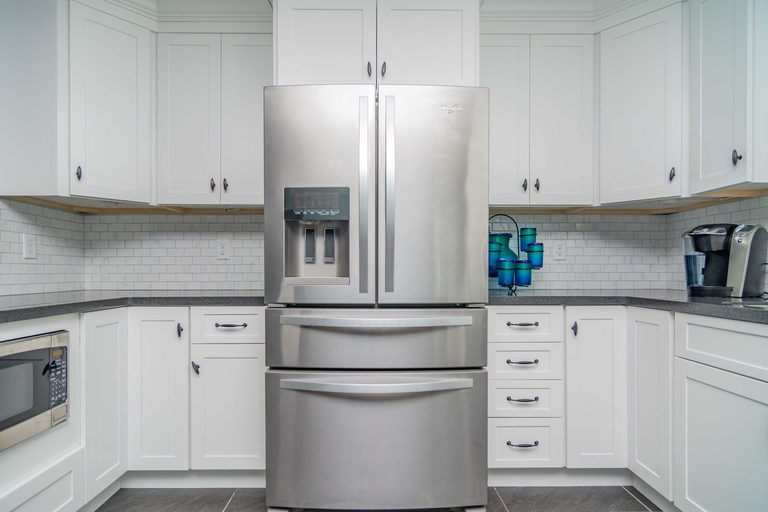
Lehigh Acres residents have a new reason to think twice before buying the latest kitchen appliances. Over the past five years the Hernandez family has bought two new refrigerators, each lasting only two to three years, and has spent between $3,000 and $4,000 on the replacements.
“This one has lasted about two years and a half,” said Ghislaine Hernandez, who first purchased a refrigerator in 2020. The first unit, bought in 2020, failed in under three years; the second, a different brand, gave up after roughly the same period.
Technicians point to cheaper materials
Local repair specialist Alex Radov of OHM Appliance Repair explained that modern refrigerators are packed with more electronics, which creates additional points of failure. “This is a simple refrigerator. It doesn’t have any inverter boards. They have the simple control board and the simple, static relay on the compressor,” he said.
Radov noted a shift in the materials used for the cooling coils. “Old appliances, they will make all of the coils out of copper. The new ones, unfortunately, are made of aluminum in some cases. And it can make it cheaper for the manufacturer not to spend a lot of money,” he said. One technician even suggested that non‑full‑copper coils mixed with cheaper metals can corrode quickly, shortening the unit’s life.
Shorter lifespans becoming the norm
According to Radov, the average lifespan of a refrigerator has dropped dramatically. “The lifetime is around four or five years,” he said, compared with the 20‑year expectancy of older models. He added that manufacturers often hide technical details such as compressor type or inverter boards, making it harder for consumers to assess durability before purchase.
Because of these trends, Radov advises customers to keep older, still‑working units whenever possible. “I advise every customer to save the old refrigerators, because they will spend less money,” he said.
What homeowners can do
For families like the Hernandezes, the practical steps are simple: retain older appliances that are still functional, research coil materials before buying, and consider repair over replacement when possible. While newer models may offer sleek designs and smart features, the trade‑off appears to be a reduced service life and higher long‑term costs.
Local consumer advocates suggest that shoppers ask retailers about the composition of the cooling system and request warranty terms that reflect the shorter expected lifespan. As more households encounter similar issues, the pressure may mount on manufacturers to return to more durable, copper‑based components.
Original reporting: 40/29 / KHBS (NW Arkansas) — read the source article.