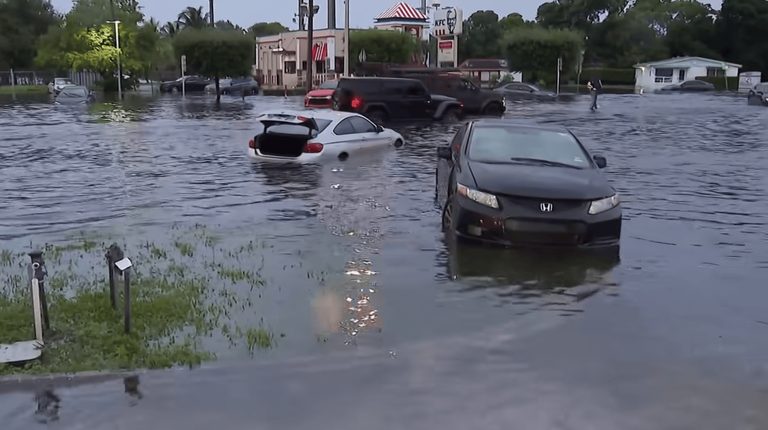
Heavy rain this week has caused flooding throughout South Florida, leaving many drivers stuck in water‑logged streets and homeowners facing water damage. As families assess the damage, insurance experts stress the importance of understanding what policies actually cover.
What to do if your vehicle is flooded
Mark Jenkins of AAA advises anyone whose car ends up in floodwater to resist the urge to start the engine. “Even if the car seems okay, there could be a lot of things lurking under the hood that you might not be aware of,” he said. Instead, have the vehicle towed to a trusted mechanic for a thorough inspection.
Jenkins also recommends documenting the damage with photos, which can be invaluable when filing a claim.
Will insurance pay for flood‑related car damage?
According to Jenkins, coverage depends on whether the driver has purchased comprehensive coverage, an optional add‑on to a standard auto policy. “People might wonder whether insurance covers flood damage like this, and that really all just depends on whether you have comprehensive coverage,” he explained.
Even with comprehensive coverage, the circumstances matter. Mark Friedlander of the Insurance Information Institute notes a distinction between a vehicle that is passively flooded while parked and one that is deliberately driven into floodwater. “Sudden acts are covered, but if you intentionally try to drive through a flooded street, in most cases your claim could be denied because that was an intentional act that could have been avoided,” he said.
Homeowners’ insurance and flooding
Standard homeowners’ policies in Florida do not cover damage caused by rising floodwater. To protect against that risk, homeowners need a separate flood insurance policy, typically provided through the National Flood Insurance Program (NFIP) or private insurers.
Friedlander points out that only about one in five South Florida homeowners carry flood insurance. “So, most people who are in situations where it’s voluntary to purchase flood insurance, they don’t buy it,” he said.
While a standard policy may cover roof leaks caused by heavy rain, it will not cover damage from floodwater that rises above ground level. That distinction can mean the difference between a modest repair bill and a catastrophic loss.
Why you shouldn’t wait to buy flood insurance
Friedlander warns against waiting until a storm is imminent to purchase coverage. “You can’t decide at the last minute when you hear a bad weather forecast and go out and buy flood insurance now. It’s too late for the upcoming storm,” he said.
The NFIP imposes a 30‑day waiting period before a new policy becomes effective. Private insurers may require 15 to 30 days. Buying coverage after a forecast of heavy rain often leaves homeowners unprotected for that storm.
Practical steps for South Floridians
- Review your auto policy to confirm whether you have comprehensive coverage.
- If you lack flood insurance for your home, explore options through the NFIP or private carriers well before the next storm season.
- Document any damage with photos and keep receipts for repairs.
- Contact your insurer promptly to discuss claim procedures and any required inspections.
By taking these steps now, residents can avoid costly surprises after the next bout of heavy rain.
Original reporting: NBC6 Miami — read the source article.