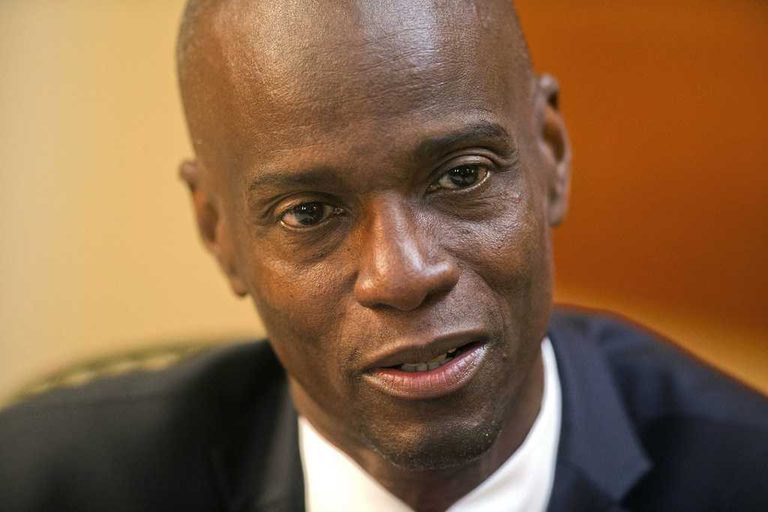
Miami federal court delivered a verdict on Wednesday that will reverberate through both South Florida’s Haitian community and the nation’s ongoing fight against foreign‑linked violence. Christian Emmanuel Sanon, a pastor who serves immigrant congregations in Palm Beach County and holds both Haitian and American citizenship, was convicted on all eight counts stemming from the 2021 assassination of Haitian President Jovenel Moïse.
Charges and potential penalty
The jury found Sanon guilty of conspiracy to kidnap or kill a person outside the United States, along with seven related offenses. Under federal law, the most serious count carries a possible life‑in‑prison sentence, which the judge will determine at sentencing.
Prosecutors’ case
Federal prosecutors portrayed South Florida as a hub for planning and financing a plot to remove Moïse and install a leader of the conspirators’ choosing. According to the indictment, Sanon was initially the group’s preferred replacement. The government alleged he helped raise money for the scheme, arranged travel to Haiti, and secured lodging for himself and other participants.
Sanon testified that he communicated with individuals seeking a new Haitian leader, but he claimed the group had moved on to another candidate well before the July 7, 2021 raid that killed Moïse and wounded his wife. He denied any knowledge of a plan to kill the president.
Background of the plot
The assassination, carried out by a squad of mostly retired Colombian soldiers, left Haiti without a president. The country, already the poorest in the Americas, has a long history of dictatorship, political upheaval, and foreign intervention that hampers democratic governance. A new presidential election is slated for next year.
Prosecutors said the conspirators paid roughly two dozen foreign mercenaries with funds taken from U.S. COVID‑19 relief programs intended for businesses. More than 40 people have been charged in connection with the plot, and a dozen have already been convicted, including five serving life sentences.
Sanon’s alleged role in a broader scheme
According to the indictment, the plot began to solidify in April 2021 when Sanon met in South Florida with a former Haitian senator and several U.S. businesspeople. The group allegedly planned that, if Sanon assumed power, he would award contracts to two Florida‑based firms—Counter Terrorist Unit Federal Academy and Counter Terrorist Unit Security—for infrastructure, security forces, and military equipment.
Investigators said the firms initially hired about 18 Colombian nationals with military training to provide security for Sanon. The conspirators also spent months acquiring weapons, body armor, and attempting to forge ties with Haitian gangs.
Shift in leadership plans
By June 2021, the conspirators realized Sanon lacked the constitutional qualifications and popular support to become president. They redirected their backing to Wendelle Coq Thélot, a former Haitian Supreme Court judge who later died in January 2025 while a fugitive.
Local impact and next steps
Sanon’s conviction underscores the seriousness with which federal authorities are pursuing foreign‑linked violent plots that originate in Florida. Community leaders in Palm Beach County have called for vigilance and cooperation with law‑enforcement to protect both local residents and the broader Haitian diaspora.
The sentencing hearing, set for later this year, will determine whether Sanon receives a life term or a lesser sentence. The case remains a stark reminder of the intersection between local communities and international political violence.
Original reporting: WPBF (Treasure Coast / Hearst) — read the source article.