On November 17, Houston City Council unanimously approved a charter amendment that codifies the policies many Houstonians supported on the ballot. Proposition A, which received more than 71% approval, requires the Houston Police Department to de‑prioritize misdemeanor marijuana arrests and to cease issuing no‑knock warrants.
Voter mandate and council action
Ground Game Texas gathered 40,000 signatures to place Proposition A on the November 3 ballot. The measure passed with a decisive majority, signaling strong community demand for greater police accountability and a focus on serious crimes rather than low‑level marijuana offenses.
City Attorney Arturo Michel explained that any voter‑approved initiative must be incorporated into the city charter, and the council acted swiftly to fulfill that requirement. The amendment now obligates the police department to report enforcement data publicly, allowing residents to monitor compliance.
Background on no‑knock warrants
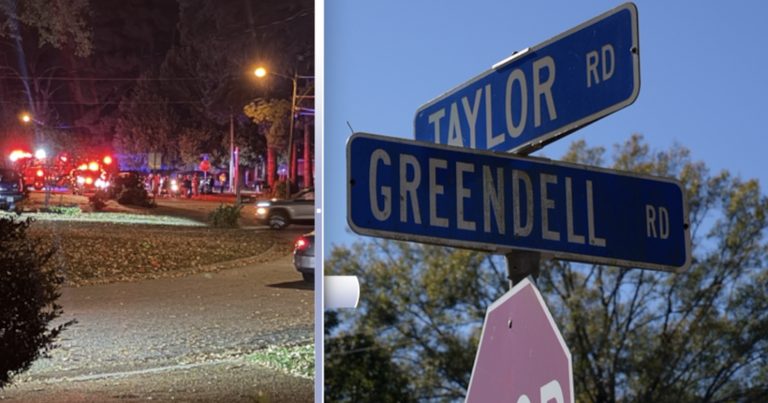
The issue of no‑knock warrants resurfaced after the tragic 2019 Harding Street raid, in which officers entered the home of Dennis Wayne Tuttle and Rhogena Ann Nicholas without announcing themselves. Both residents were killed, and former HPD officer Gerald Goines was later sentenced to 60 years in prison for providing false information to obtain the warrant.
Mayor Sylvester Whitmire had previously stated that Houston already practiced a de‑prioritization of marijuana possession and had stopped using no‑knock warrants, describing the ballot measure as a “non‑issue.” He emphasized that the department does not arrest individuals for small, personal amounts of marijuana, reserving enforcement for larger quantities that indicate trafficking.
Accountability and enforcement data
Ground Game Texas executive director Catina Voellinger warned that without a charter amendment, future mayors or police chiefs could reverse existing practices. She highlighted a report showing that under Mayor Whitmire’s administration, HPD officers arrested roughly 440 people per year for misdemeanor marijuana possession—a rise from an average of about 35 arrests per year between 2021 and 2023.
Mayor Whitmire responded that many of those arrests involve alternative courts that offer non‑jailable solutions, and that charges can be dismissed. He also noted that the city does not file charges without the recommendation of Harris County District Attorney Sean Teare.
What the new rules mean for Houstonians
With the charter amendment now in effect, police officers are instructed to focus resources on serious drug trafficking cases. Whitmire reiterated that large‑scale suppliers will still be pursued, but individuals possessing small amounts for personal use will not face arrest.
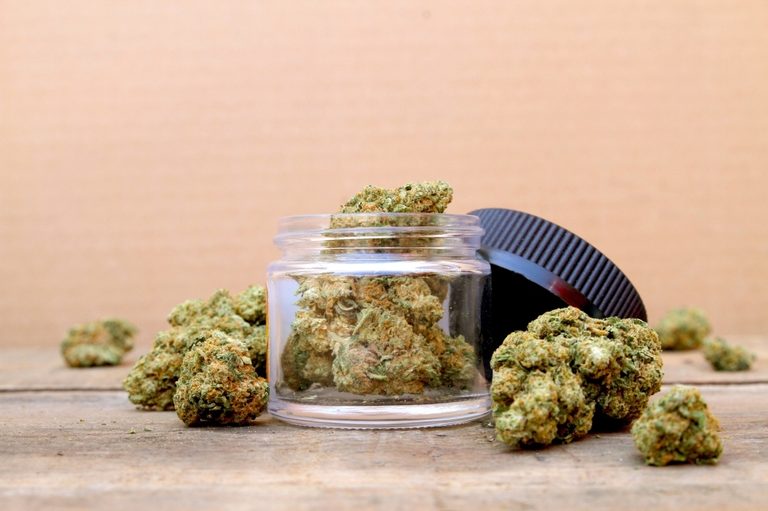
In Texas, possession of four ounces or less of marijuana remains a misdemeanor under the Texas Health and Safety Code, while amounts exceeding four ounces are classified as a felony.
Looking ahead
The city will begin publishing enforcement statistics as required by the amendment, giving residents a transparent view of how the police department applies the new policy. Community leaders and faith‑based groups have praised the move as a step toward responsible, family‑friendly policing that respects individual liberty while maintaining public safety.
Original reporting: Community Impact — Houston — read the source article.