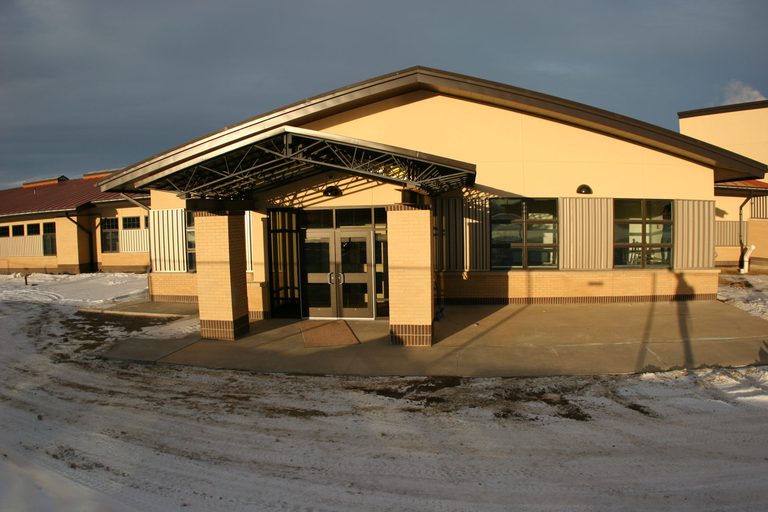
CASPER — A courtroom in Casper heard testimony this week from staff of the Wyoming Boys’ School, a state‑run facility near Worland that detains delinquent boys ages 12 to 21. The testimony centered on a lawsuit filed in 2024 by former resident Blaise Chivers‑King, who claims the school violated his 14th Amendment rights by using excessive force, isolating him for extended periods, and denying due process.
Employee says he had a good relationship with the plaintiff
Mike Nelson, who served as a risk‑management officer, dorm director and dorm supervisor while Chivers‑King was a resident, told the jury he believed he had a positive connection with the teenager. “Up until the filing of this lawsuit, I would have sworn that I had a good relationship with Blaise,” Nelson said. He noted that Chivers‑King called him at home twice on Halloween during his stay and twice after leaving the school, and that staff sometimes allowed the teen to call him directly to help de‑escalate tense situations.
Disputed accounts of isolation conditions
Chivers‑King, who was at the school from 2020 to 2022, alleges that staff placed him in cinder‑block detention rooms for long stretches, limiting his interaction with others to less than an hour a day and allowing him out only for showers. Logbook entries presented by his attorneys show a schedule that should have included school work, reading assignments and physical exercise, yet the entries rarely reflect those activities being carried out. The plaintiff also says no mental‑health professional visited him when he was harming himself.
Nelson acknowledged that the logbook was “incredibly incomplete,” noting that some staff simply marked that they checked on Chivers‑King while others added more detail. He maintained that staff checked in with the teen “regularly, often,” and that conversations occurred “about as much as Blaise would allow.”
Allegations of unsafe practices
Chivers‑King’s lawyers highlighted an incident in which Nelson instructed the teen to clean his own blood after the boy had been banging his head against the wall in a detention room. When asked why he gave that instruction, Nelson replied, “There’s an obvious biohazard present. It’s the safest way to clean a biohazard.”
Former employee offers a contrasting view
Robin McIntosh, another former employee who worked at the school from 2007 until March 2026, testified that staff confined Chivers‑King alone in detention rooms “very frequently” and kept him there for far too long, noting that the boy “would actively degrade the longer he was in there.” McIntosh said he was placed on administrative leave after encouraging another student to sue the school, describing the leave as “a good excuse to keep him in there because he wasn’t meeting expectations.” He added that staff often made degrading comments to “escalate a kid,” calling the practice “cultural.”p>
Defense attorneys suggested McIntosh’s testimony might be motivated by personal conflicts with the school’s staff, but his deposition emphasized the need for accurate logbook entries documenting when doors were opened and whether medical professionals visited the detained teen.
State oversight and public concern
The Wyoming Boys’ School is overseen by the Wyoming Department of Family Services. The trial brings renewed attention to how the state monitors facilities that house at‑risk youth. While the school’s officials have not yet issued a public statement, the Department of Family Services has previously affirmed its commitment to ensuring safe and humane treatment of all residents.
As the case proceeds, the jury will consider whether the school’s isolation practices constituted a violation of constitutional rights and whether staff actions, such as the biohazard cleaning directive, were reasonable under the circumstances.
Original reporting: Oil City News (Casper WY) — read the source article.